
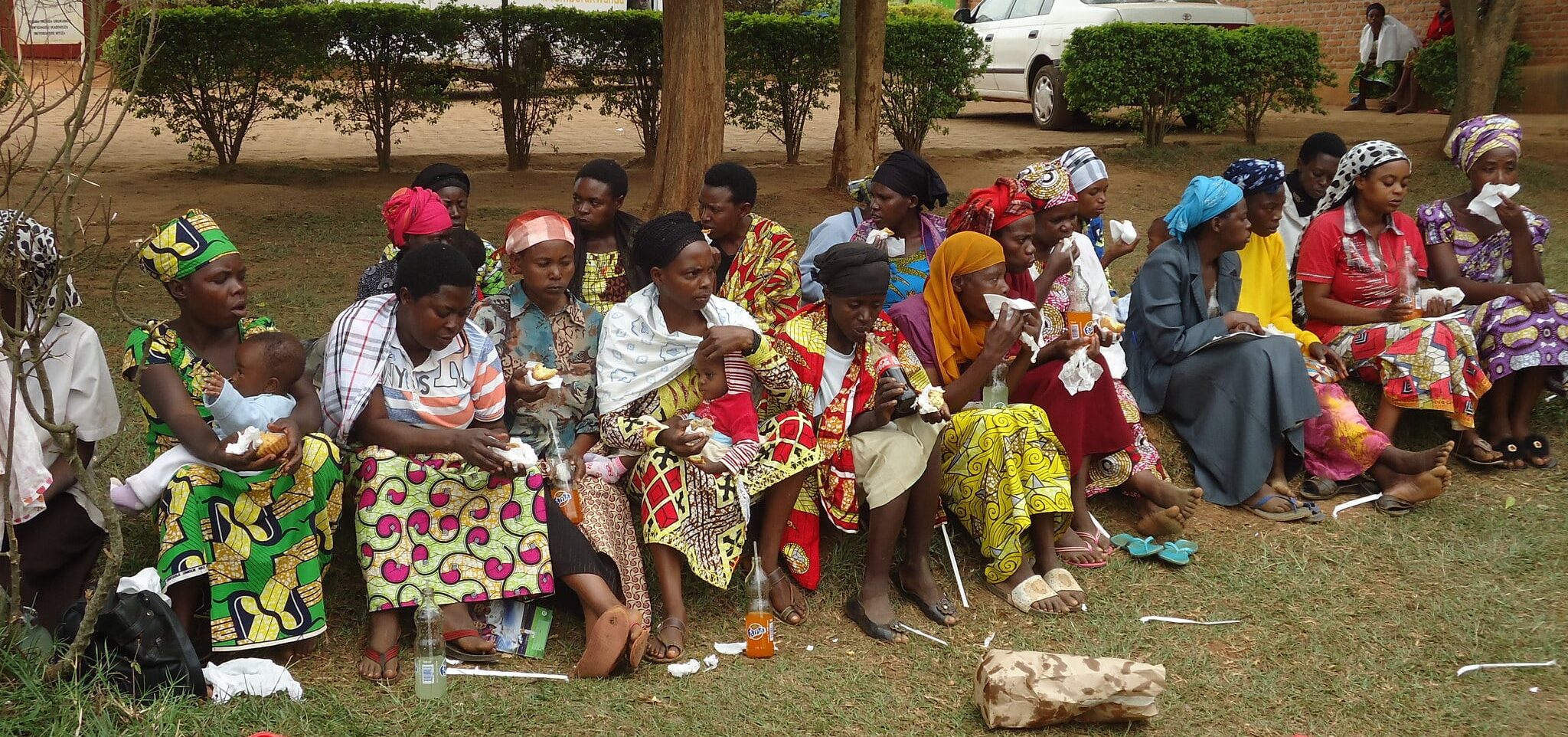
Since 1995, FXB has been active in promoting sustainable development and improving the living conditions of the most vulnerable communities in Rwanda, where it is registered as a local non-governmental organization.
Context
Rwanda remains very marked by the 1994 genocide against the Tutsi, during which nearly one million people were massacred. The Rwandan Patriotic Front has gradually restored order and security. He is one of the few countries that has been able to achieve most of the United Nations Millennium Development Goals. This has led to progress in reducing poverty, education and HIV prevalence.
Despite these successes, Rwanda is still a very poor country, facing major development challenges. Chronic malnutrition, poor infrastructure, early childhood development, infant mortality or quality education require sustained attention.
Our action in Rwanda
1. Addressing the multidimensional causes of poverty: 12 VillageFXB economic and community development projects.
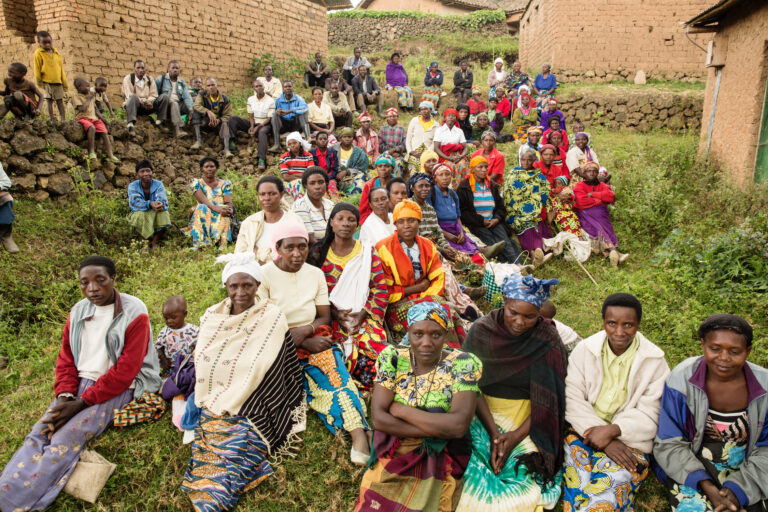
The VillageFXB model is implemented in the Nyarugenge district of Kigali and Kamonyi, Gisagara and Nyaruguru districts in the Southern Province.
In 2025, more than 8,500 adults and children received declining support over three years: the time needed to move from extreme poverty to sustainable economic and social autonomy.
Families, after completing training in finance and project management, receive seed capital to create income-generating activities (microenterprises) and participate actively in Village Associations of Savings and Credit (AVEC). They also receive food aid at the beginning of the project, enabling them to regain a satisfactory health. This gives them the energy to invest fully in their economic activities, while their children can continue their education better.
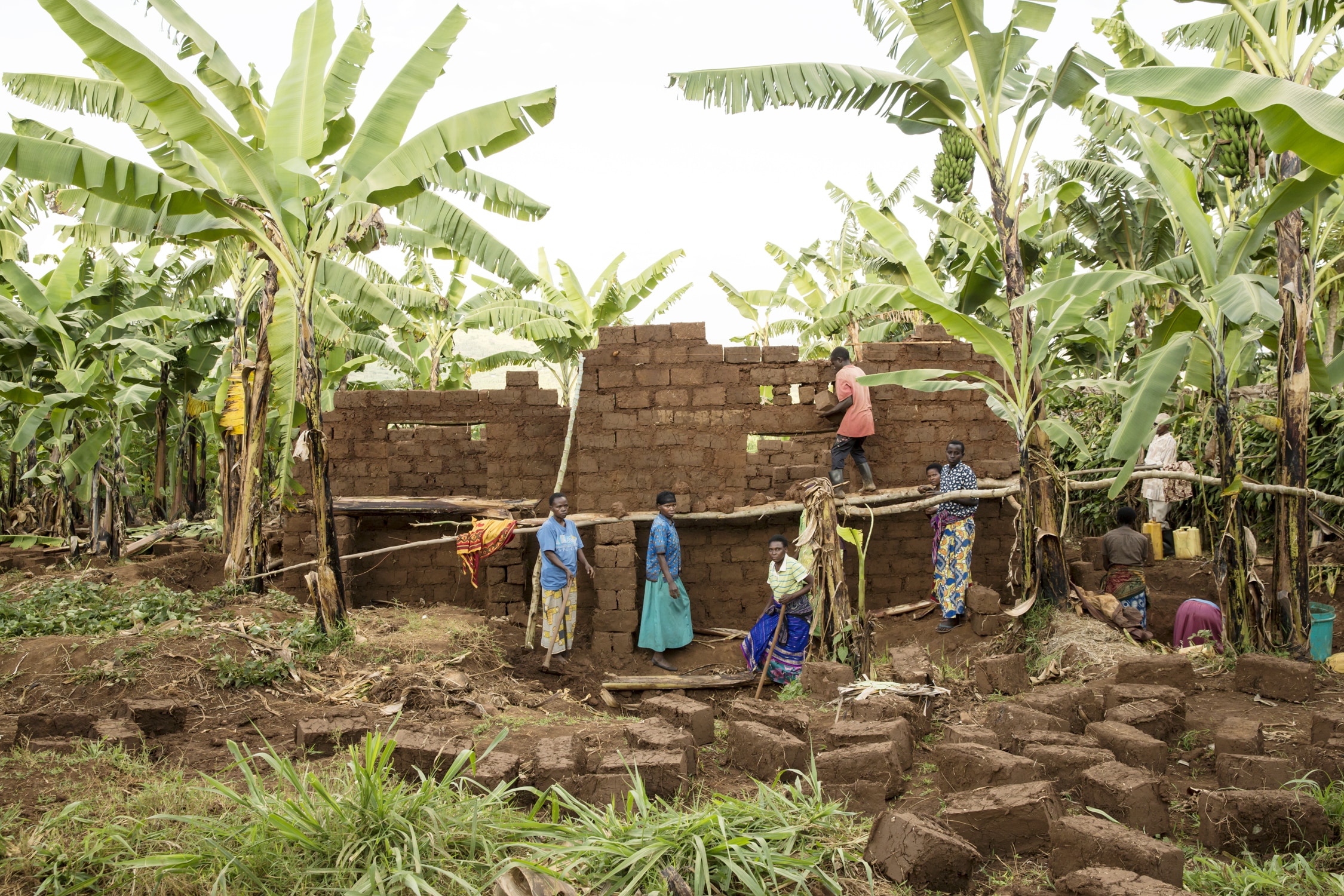
Throughout the three years, comprehensive support is provided: support for schooling and vocational training for children and young people, access to adequate health care and improvement of housing conditions and health infrastructure. They also have the opportunity to acquire key health and social skills, thereby promoting their overall development and ensuring the sustainability of the project's impact on their quality of life.
FXB also integrates resilience and adaptation to the impacts of climate change into its activities, ensuring that marginalized communities are prepared to respond to the environmental challenges that disproportionately affect them.
Equality between women and men is not only a fundamental human right, it is also a condition for a prosperous and sustainable world. Thus, special attention is paid to the economic empowerment of women and the promotion of their leadership. Because women play a key role in the development of their communities, FXB sets up specific activities to strengthen their skills, promote their access to sustainable economic opportunities and enhance their role as actors of change, including by encouraging their active participation in decision-making within their families and communities. It also aims to raise community awareness of domestic and sexual violence and gender equality.
In addition, in order to expand its impact in these provinces, FXB is gradually setting up groups WITH, which benefit 2,800 families (14,000 people) who are particularly deprived, in order to strengthen their resilience to socio-economic shocks and improve their access to basic services.
2.Promoting the development of the little child: the Sugira Muryango project
Its goal is to train thousands of parents at the essential stages of early childhood development through 12 interactive modules spread over several months. They cover topics such as health, nutrition, hygiene, family conflict resolution, partner violence, communication within the family, and the importance of fathers' role and involvement in the education and well-being of their children. Alternatives to severe punishments are also proposed.
Very encouraging interim assessments have revealed that these interventions have strengthened communication, encouraged caring interactions between parents and children, and fostered harmonious family relationships, thereby reducing conflict and violent disciplinary practices.
3.Reduce new infections and reduce HIV/AIDS incidence
Launched in 2012 (IGIRE-Turangere Abana), this project aims to support primary and secondary school enrolment and vocational training for orphans and vulnerable children from families affected by HIV/AIDS. It also encourages their economic empowerment by integrating families into WITH groups and developing income-generating activities.
The DREAMS (Determinated, Resilient, Empowered, AIDS-free, Mentored and Safe lives) component of the project focuses on preventing new HIV infections among girls, adolescent girls and young women and strengthening their educational, economic and social capacities.
In addition, FXB Rwanda is implementing a Global Fund program to reduce new HIV infections among key populations in Kamonyi, Gakenke and Musanze districts. This project targets sex workers, men who have sex with other men, transgender people and injecting drug users. In addition to providing access to screening and prevention services, FXB Rwanda is strengthening its knowledge of HIV, rights and treatment protocols. Awareness-raising campaigns are being conducted to reduce stigma and promote their social inclusion. The project also supports the economic empowerment of beneficiaries through income generation training.
By combining access to care, awareness and financial autonomy, FXB Rwanda is actively contributing to the fight against HIV/AIDS in Rwanda.
4. Access to nutrition and health
The FOSTERING – Sustainable Food Production project in Nyabihu and Gakenke districts aims to promote sustainable agriculture for local markets. It accompanies 30 cooperatives specializing in the cultivation of pineapples, fruits of passion and sweet potatoes.
The initiative highlights the added value of these crops while enhancing the profitability of cooperatives. It encourages smart and resilient agriculture in response to climate change and promotes the adoption of best practices in post-harvest management, thus ensuring more efficient and sustainable production.
In addition, FXB is piloting a project – POSE: Social Enterprise of Phytosanitary Products, aimed at developing research, cultivation and production of herbal medicinal products for local and regional consumption. The first products are being certified. Plant production is carried out locally, with nurseries and distribution of seedlings to participants in VillageFXB projects.
Our impact in Rwanda
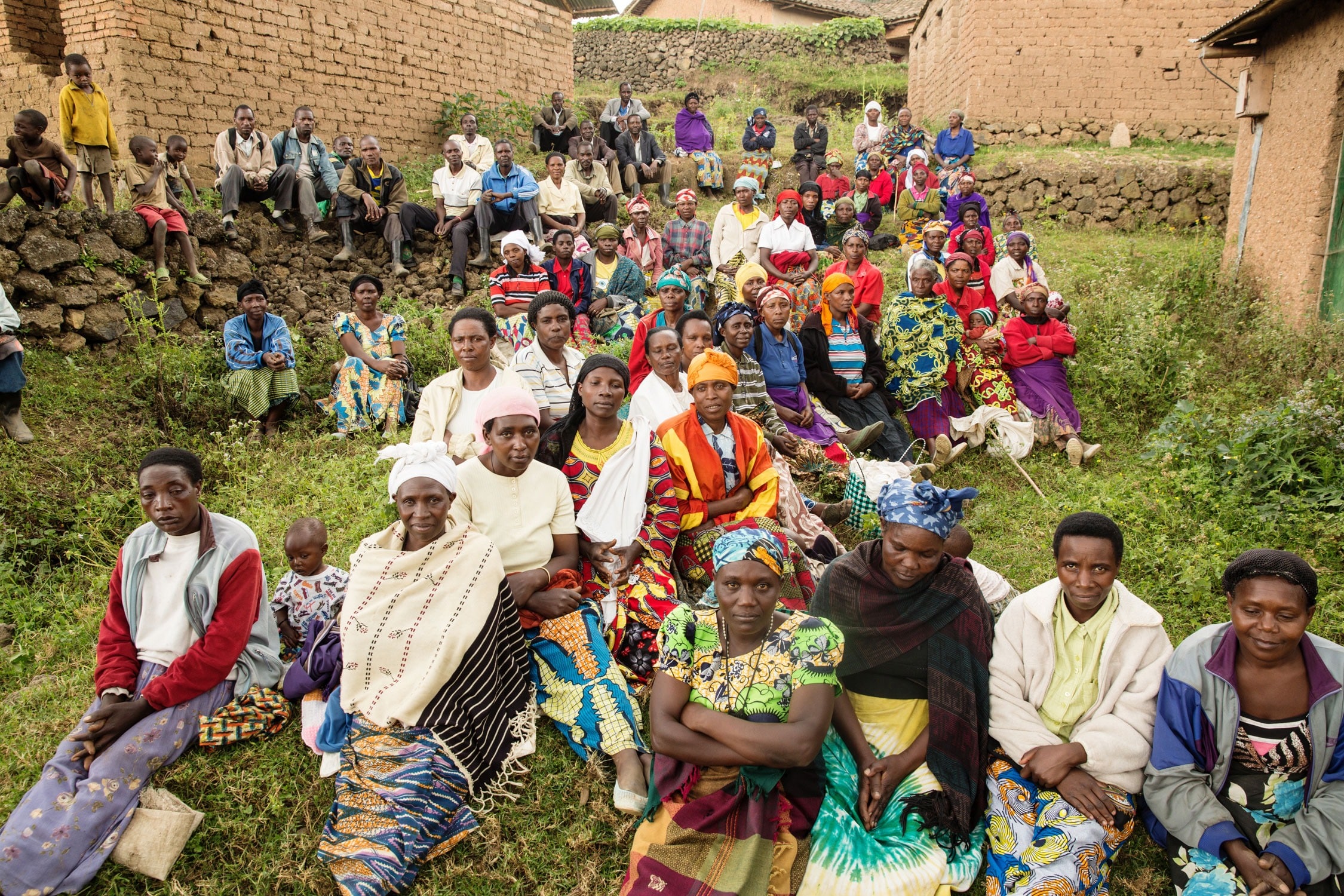
have enabled thousands of families to leave extreme poverty, protect and raise their children and orphans in the extended community.
have benefited from the presence of FXB in their communities through all projects undertaken since 1995.
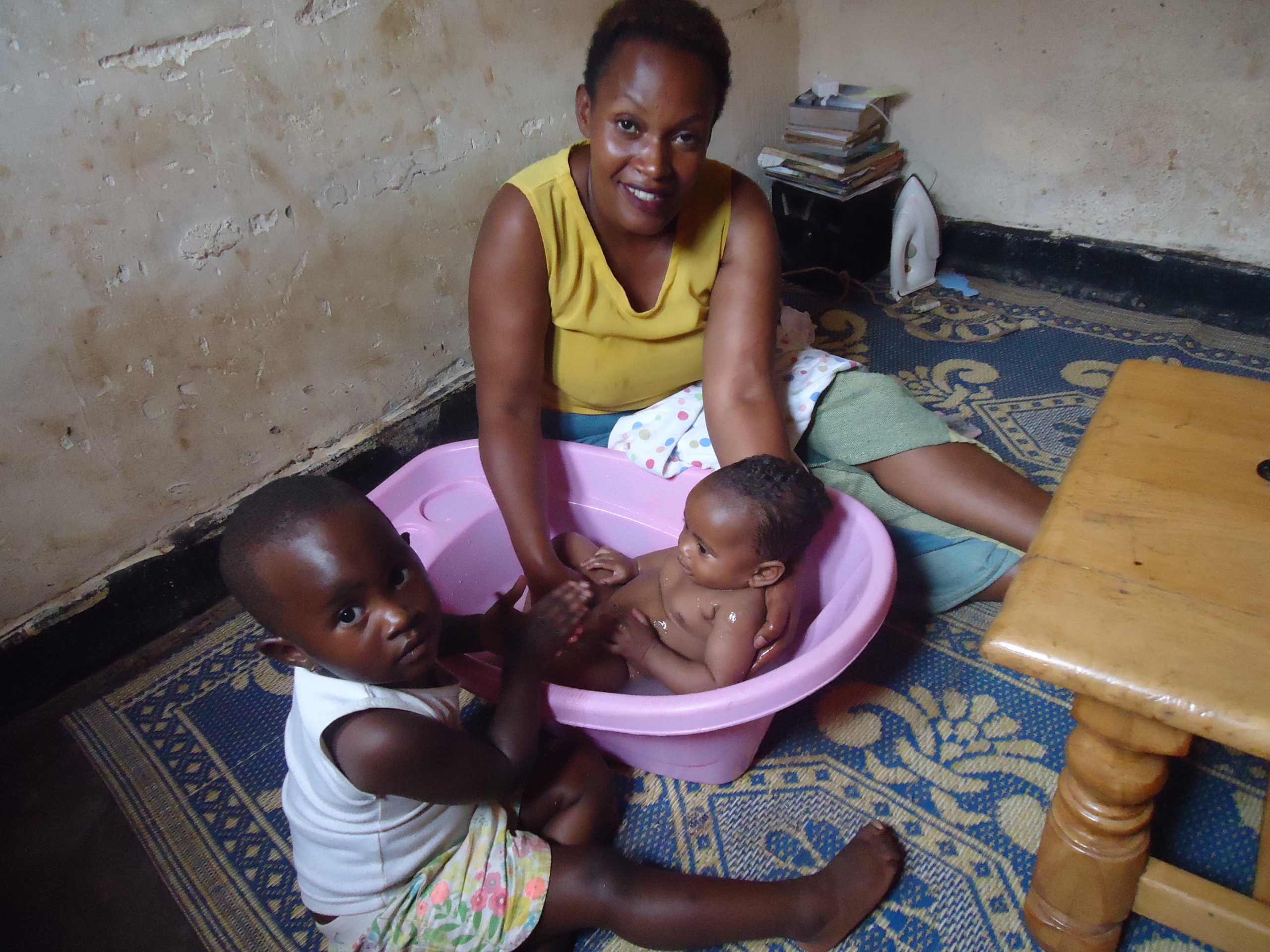
moderate and acute malnutrition have strengthened their resilience through a multi-sectoral anti-nutrition project completed in 2024.
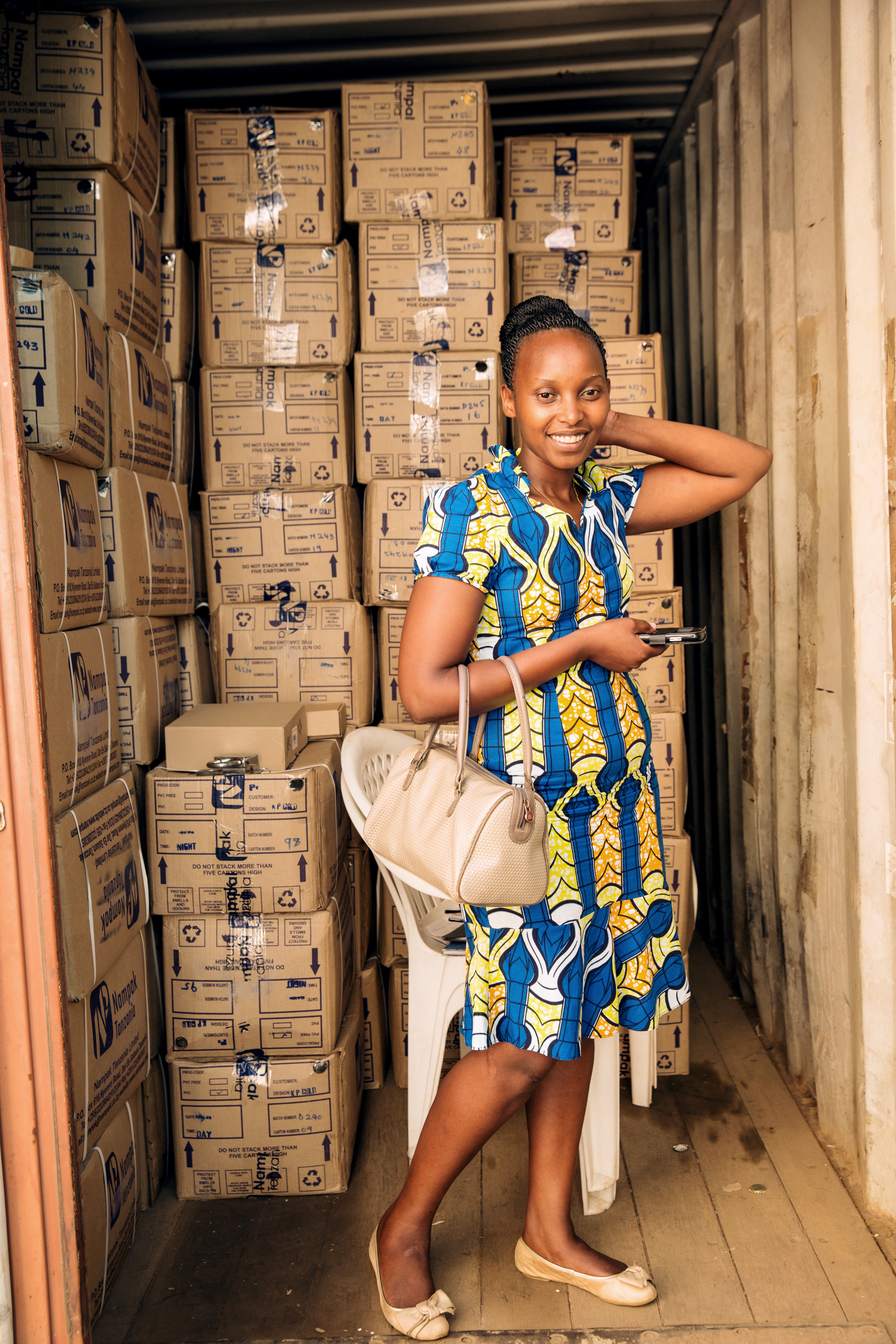
Discover the documentary « Chronicle of Success »
He describes the transition of 4 participants to VillageFXB programs from a life of extreme poverty to a life of dignity. In describing how these determined women have gained their independence and economic and social autonomy, this documentary provides an overview of what is needed to eradicate extreme poverty.
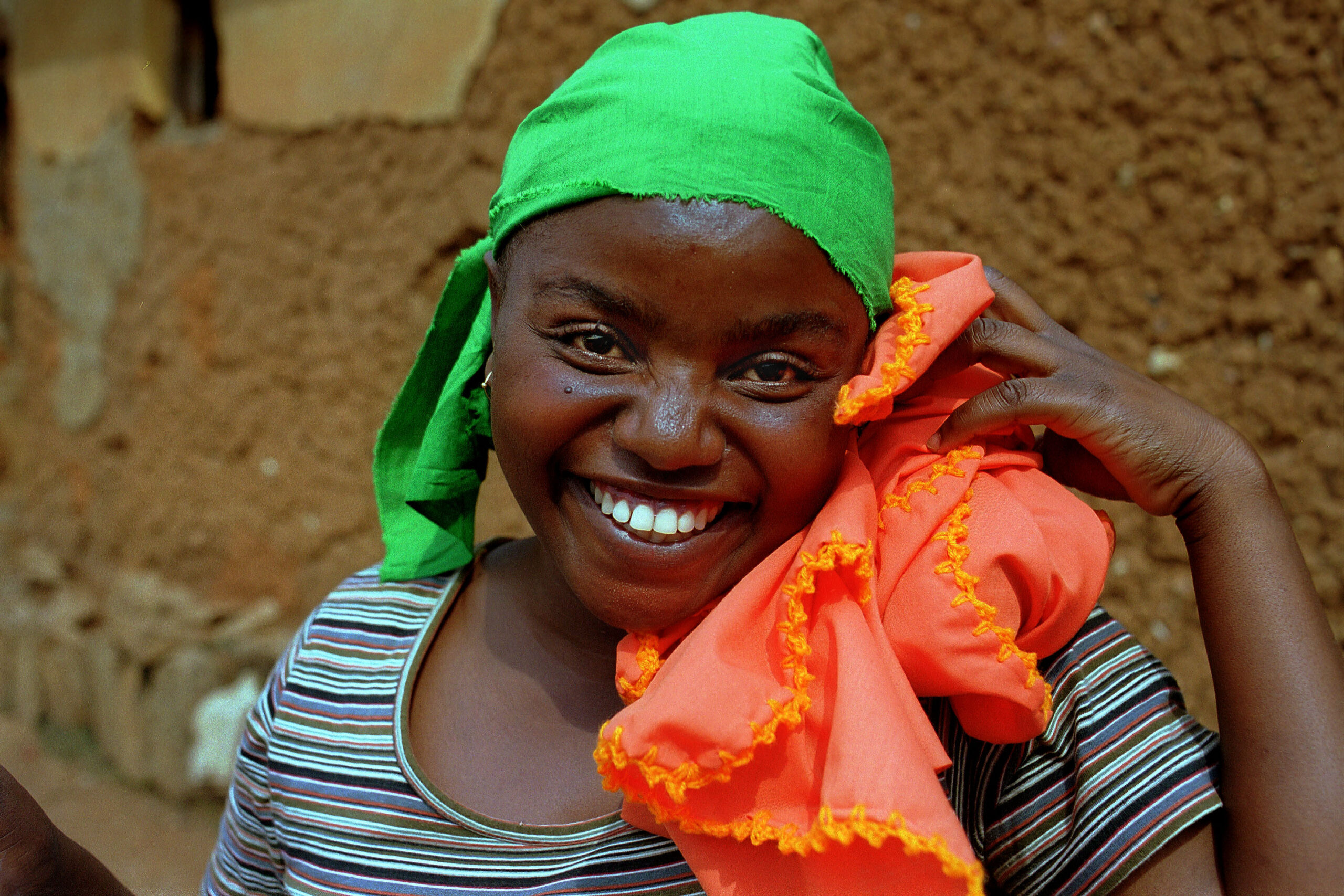
Life course
Betty, future school teacher
"Before joining a VillageFXB project, we lived in great poverty. I was constantly stressed out about being excluded from school because my parents could not afford to pay the costs. I was convinced that education was my only chance to break the cycle of poverty forever. With the support of FXB, I overcame all the obstacles and got a university scholarship to become a school teacher. I am determined to excel in my studies and dream of helping other vulnerable children change their lives, as I have been able to.".
In 2021 Betty's parents joined a support, savings and credit group, where they acquired technical and financial skills. They then received capital to launch a commercial activity, which they diversified by starting fish processing. The income generated since the end of the project has also enabled them to acquire a house and farmland.
"If we hadn't been selected to join the VillageFXB project, we would still be on the street because we couldn't afford to pay rent and other basic needs. Today we eat three times a day, the children go to school and we can pay for health insurance, which was an unattainable dream 7 years ago." Get Jeanne up, Betty's mother.