

Since 1991, FXB Switzerland has been active in promoting sustainable development and improving the living conditions of the most vulnerable communities in Uganda, where it is registered as an international non-governmental organization.
Context
Uganda has 46 million inhabitants, more than one third of whom live below the poverty line. It is ranked 166th out of 191 in the UNDP Human Development Index. An assessment conducted in 2017 by the sub-county of Namayumba, Wasiko district, found that 41% of orphans and vulnerable children lived with members of their extended families, such as aunts, uncles or grandparents. In addition, 37% of children were out of school.
More than 76 per cent of the households assessed lived on less than $1 a day, and only 34 per cent of them owned or had access to land or income-generating resources. The majority of households did not participate in any gainful activity. This financial precariousness is mainly due to limited entrepreneurial skills, insufficient access to affordable capital, lack of vocational skills and low levels of education, especially among young people who drop out of school prematurely.
Our action in Uganda
1. Combating the multidimensional causes of poverty: 1 VillageFXB economic and community development project.
The VillageFXB model is being implemented in the Wasiko district where projects related to drinking water and well construction have already affected 265,000 community members.
In 2025, 600 adults and children received declining support for three years: the time needed to move from extreme poverty to sustainable economic and social autonomy.
Families, after completing training in finance and project management, receive seed capital to create income-generating activities (microenterprises) and participate actively in Village Associations of Savings and Credit (AVEC). They also receive food aid at the beginning of the project, enabling them to regain a satisfactory health. This gives them the energy to invest fully in their economic activities, while their children can continue their education better.
Throughout the three years, comprehensive support is provided: support for schooling and vocational training for children and young people, access to adequate health care and improvement of housing conditions and health infrastructure. They also have the opportunity to acquire key health and social skills, thereby promoting their overall development and ensuring the sustainability of the project's impact on their quality of life.
FXB also integrates resilience and adaptation to the impacts of climate change into its activities, ensuring that these marginalized communities are prepared to respond to the environmental challenges that disproportionately affect them.
Equality between women and men is not only a fundamental human right, it is also a condition for a prosperous and sustainable world. Thus, special attention is paid to the economic empowerment of women and the promotion of their leadership.
Because women play a key role in the development of their communities, FXB sets up specific activities to strengthen their skills, promote their access to sustainable economic opportunities and enhance their role as actors of change, including by encouraging their active participation in decision-making within their families and communities. It also aims to raise community awareness of domestic and sexual violence and gender equality.
In addition, in order to expand its impact in this district, FXB is gradually setting up groups WITH, which benefit 1,200 adults and children from particularly poor families, in order to strengthen their resilience to socio-economic shocks and improve their access to basic services.
2.Promoting inclusive education
In the Wakiso district, vulnerable children, including orphans and those from families in acute poverty, are often forced to drop out of school due to lack of adequate resources or support. To remedy this situation and within the framework of the VillageFXB project, FXB is implementing an initiative aimed at ensuring their retention in the education system and improving the quality of their learning.
Its main objective is that the 2,000 children in public schools in the sector remain in school and receive quality education. To achieve this, FXB works with community leaders and public schools to identify and reintegrate orphans and vulnerable children through door-to-door activities and awareness campaigns. For families in extreme poverty, degressive assistance is provided to cover school fees and materials, thus ensuring that children can continue their education without interruption.
In parallel, FXB is committed to improving the quality of learning by working with schools to assess students' performance and provide targeted support in reading, writing and numeracy. To do this, the proven pedagogical approach « Teaching at the Right Level » (Teaching at the right level) is implemented, allowing to adapt education to the actual level of each child. In order to ensure a sustainable impact, teachers receive training in this method, thus ensuring that current and future students can progress effectively in their learning.
With this initiative, FXB promotes a more inclusive and responsive education for vulnerable children, thus providing them with better prospects for the future.
Our Impact in Uganda
Since 1991.
have been affected by our projects related to access to drinking water and the construction of wells in Wakiso district.
have been impacted by our projects related to access to drinking water and well construction in Wakiso district.

Life course
"Everyone needs water. My land can help. I'm happy to offer it." Thus Jane spontaneously agreed to give up part of her land to the community for the construction of a well by FXB in the Tuula area.
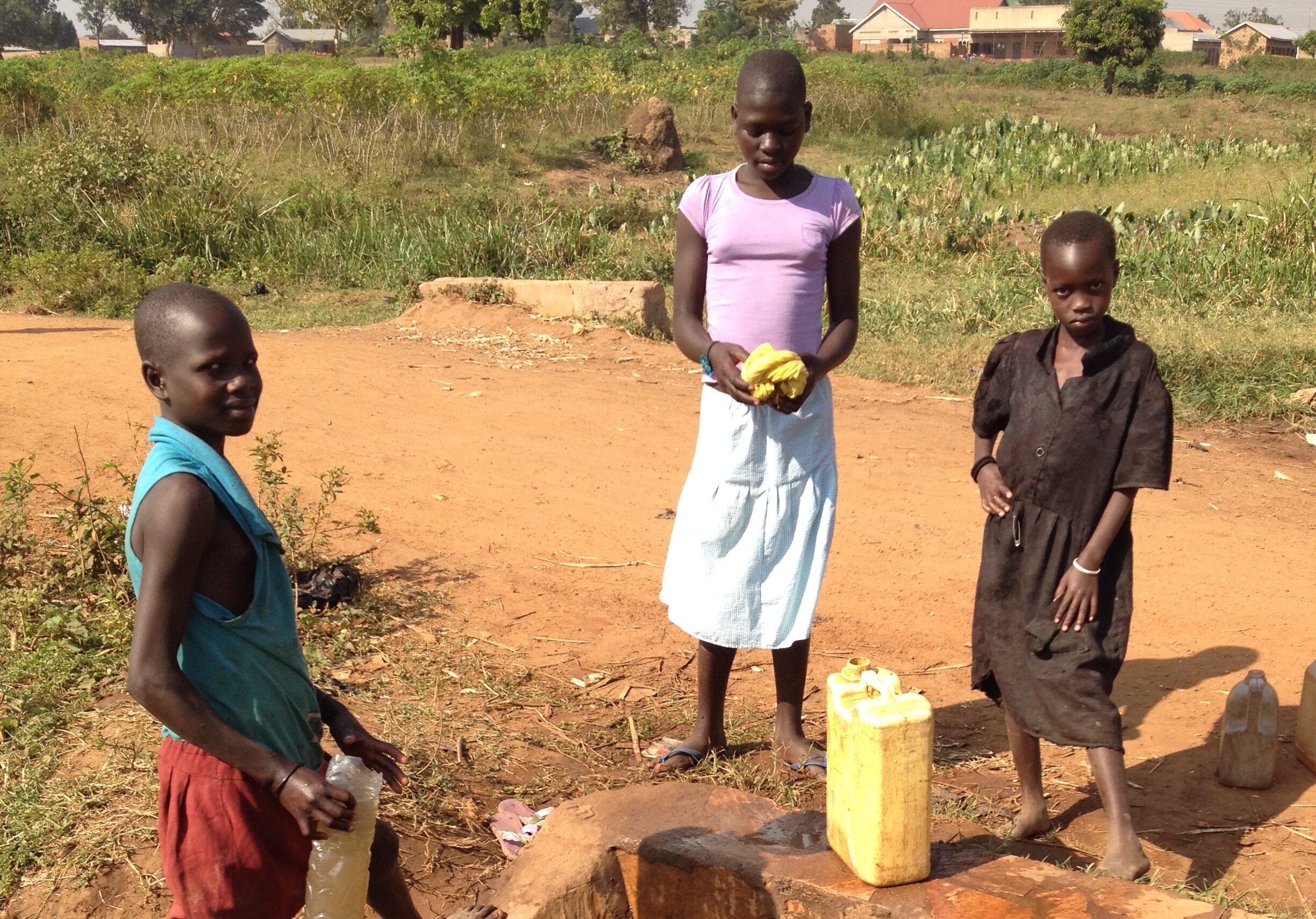
At the age of 73, this grandmother of six grandchildren, whom she raises alone for various reasons, is one of the few landowners in the neighborhood. Unlike her neighbors, who rent their land, Jane has the chance to own hers. Until then, she and the surrounding families had no choice but to draw their water from an open spring located 800 metres away, shared with the animals and unfit for consumption.
At a community meeting organized by FXB, Jane did not hesitate for a moment to make her land available and the well was built in three weeks. Jane herself had the honour of inaugurating this new water source, named Kavuma Shallow Well in tribute to her family.
This initiative perfectly illustrates the strength of collective work: exemplary solidarity between an NGO, beneficiaries and local leaders, ensuring sustainable access to clean water for the entire community.