
94% enhanced their knowledge of climate
94% of participants reported that they have deepened their knowledge of climate issues and their solutions.
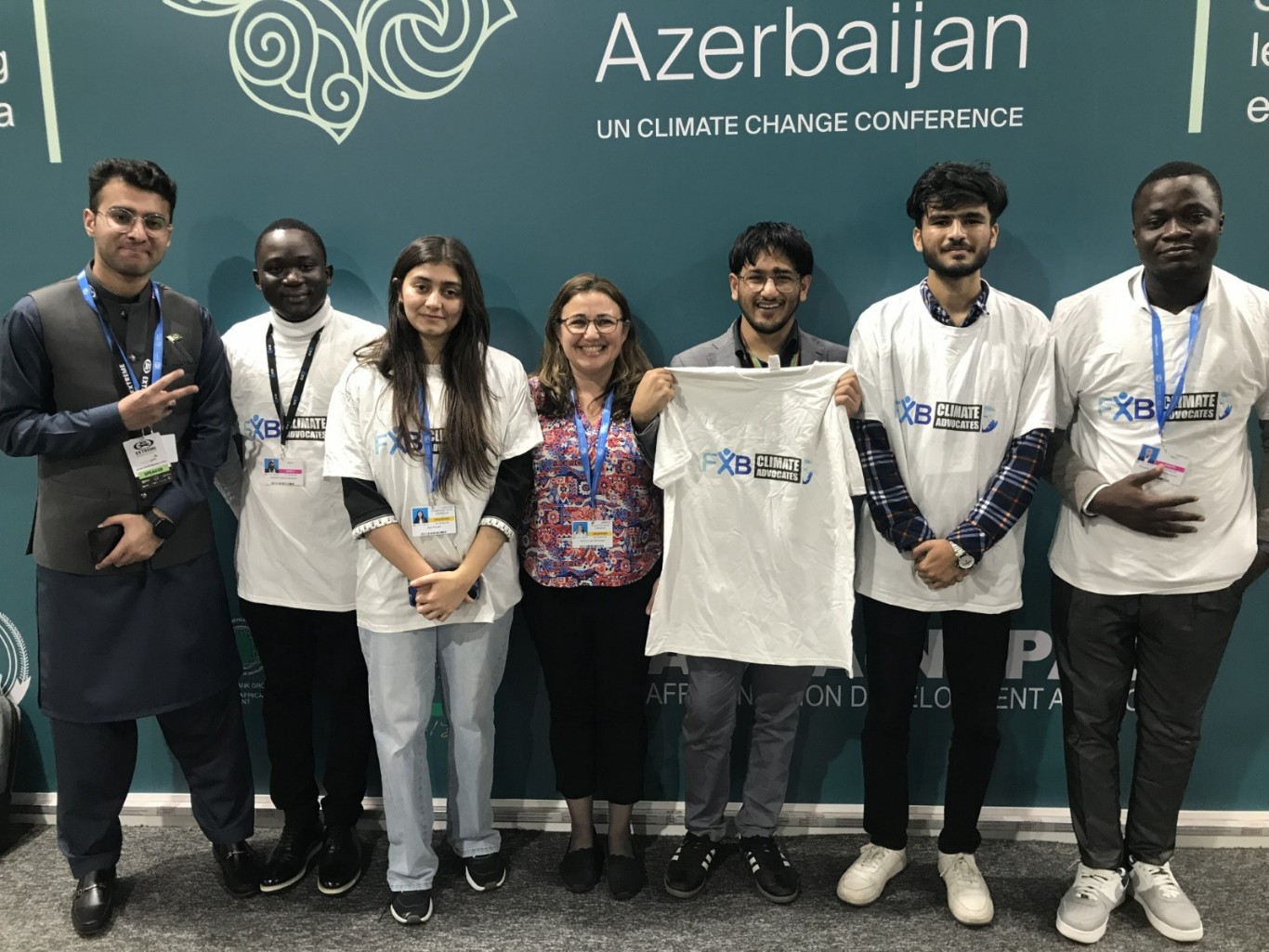
The FXB Climate Advocates (FXBCA) program provides young people from around the world with the knowledge, skills and leadership experience they need to make a real impact in their communities.
FXB is part of FXB's mission to support children and young people, break the cycles of extreme poverty and build resilient communities. FXBCA strengthens the capacity of young people to become actors of change, both locally and globally.
FXB Climate Advocates (FXBCA) is an international leadership program, currently offered in English, French and Spanish, which gives young people the knowledge, skills and confidence to take concrete action to address climate change.
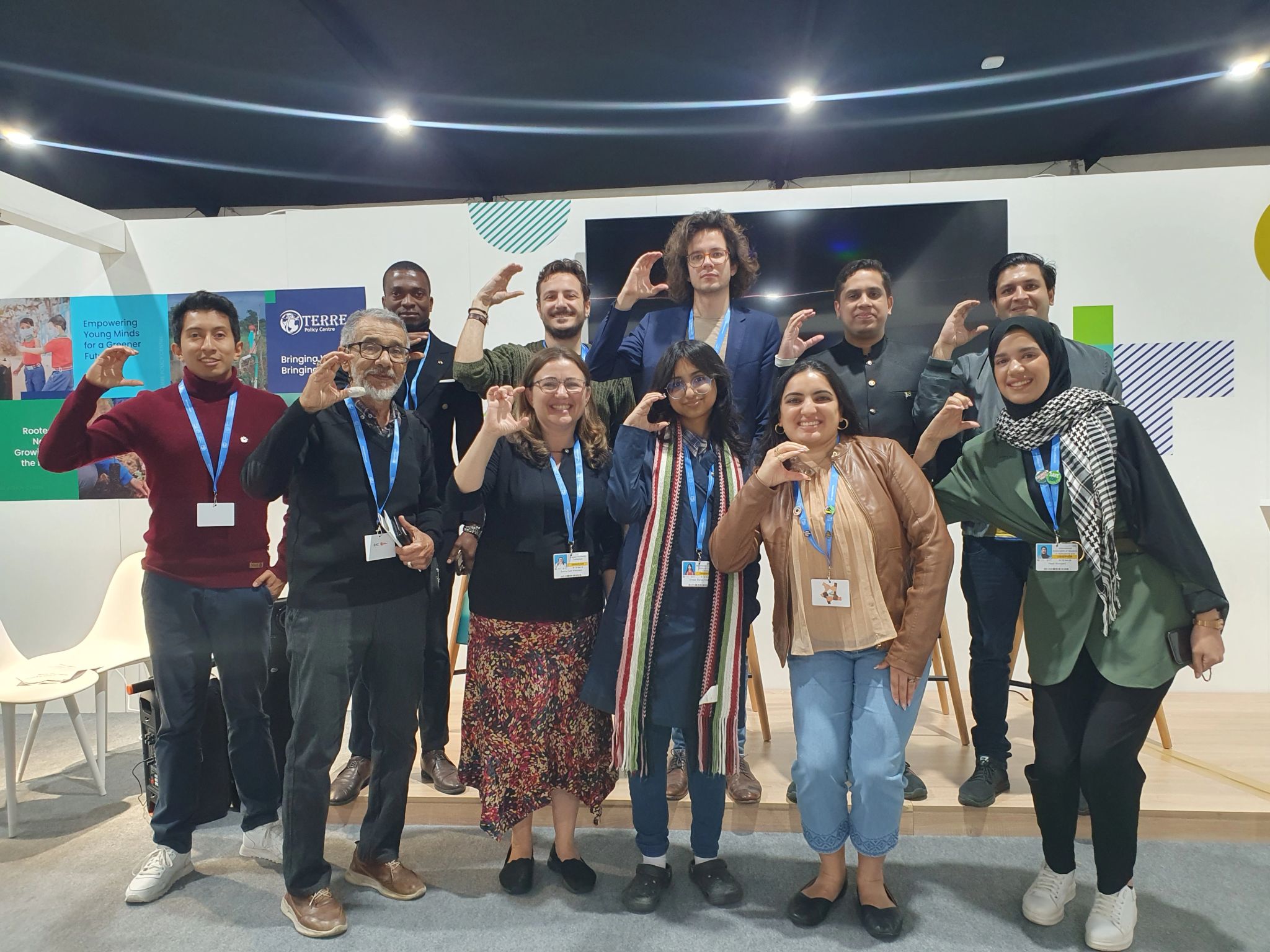
Bringing together participants from more than 120 countries, the program combines virtual training sessions led by experts on climate science, solutions and climate advocacy, and the design and implementation of projects led by participants in their communities.
By transforming learning into action, FXBCA supports the new generation of climate leaders so that it can create sustainable change in its own communities.
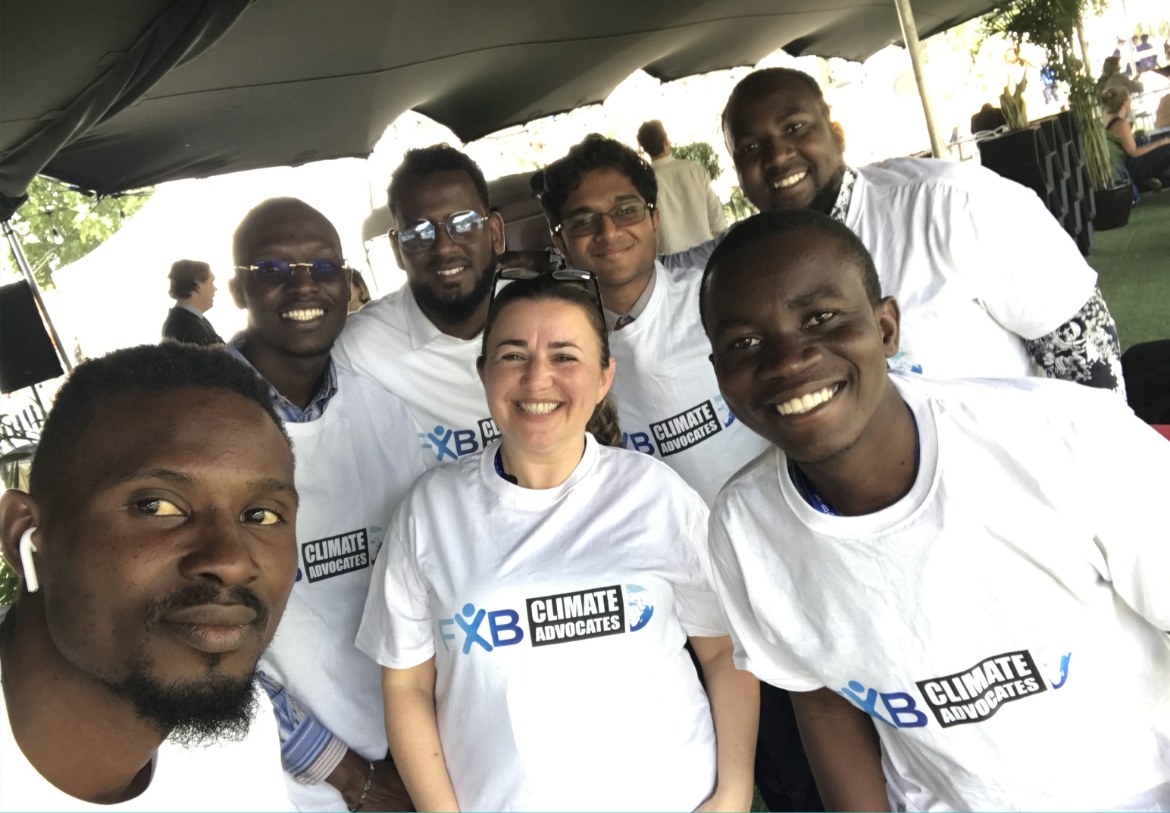
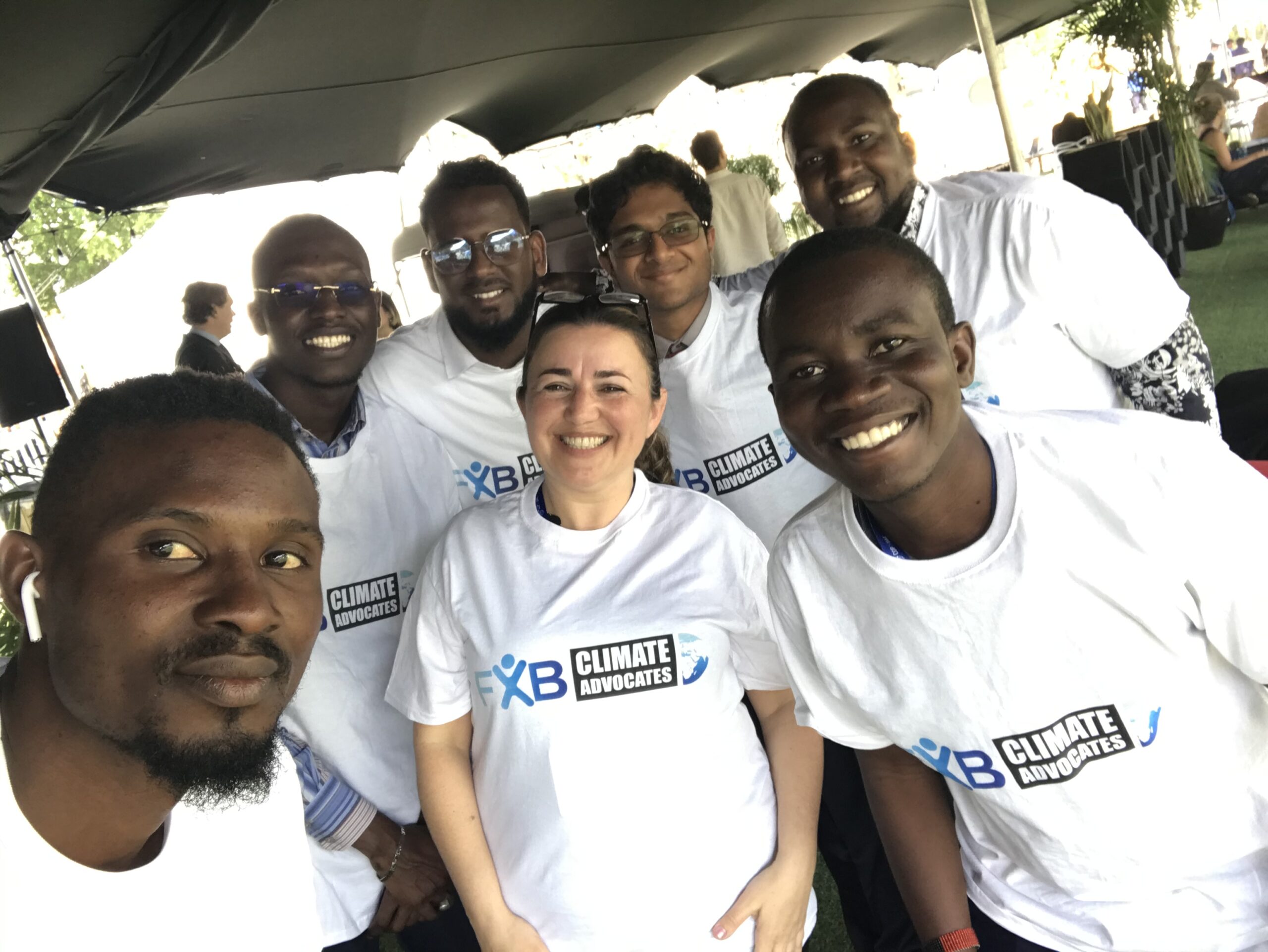
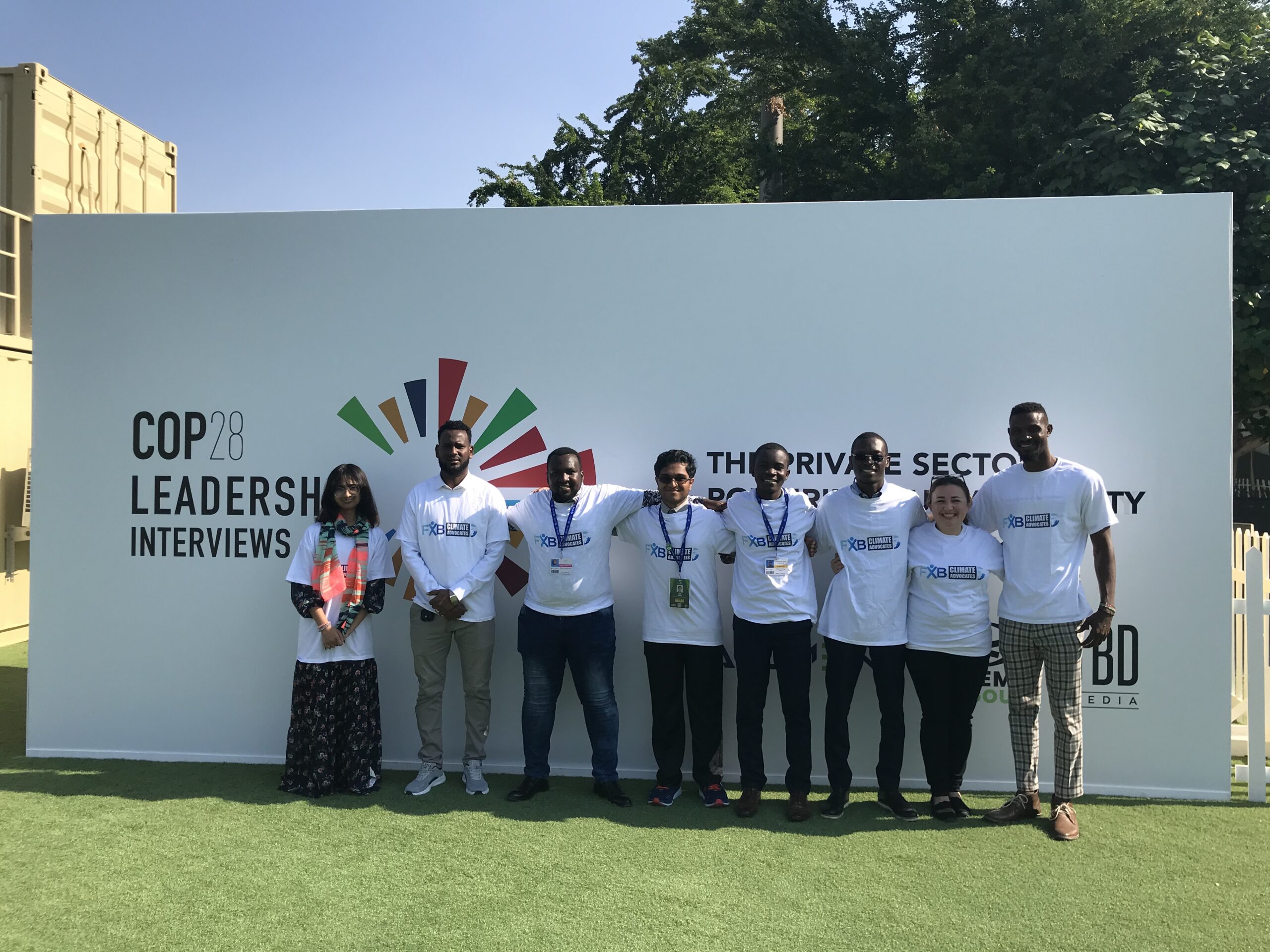
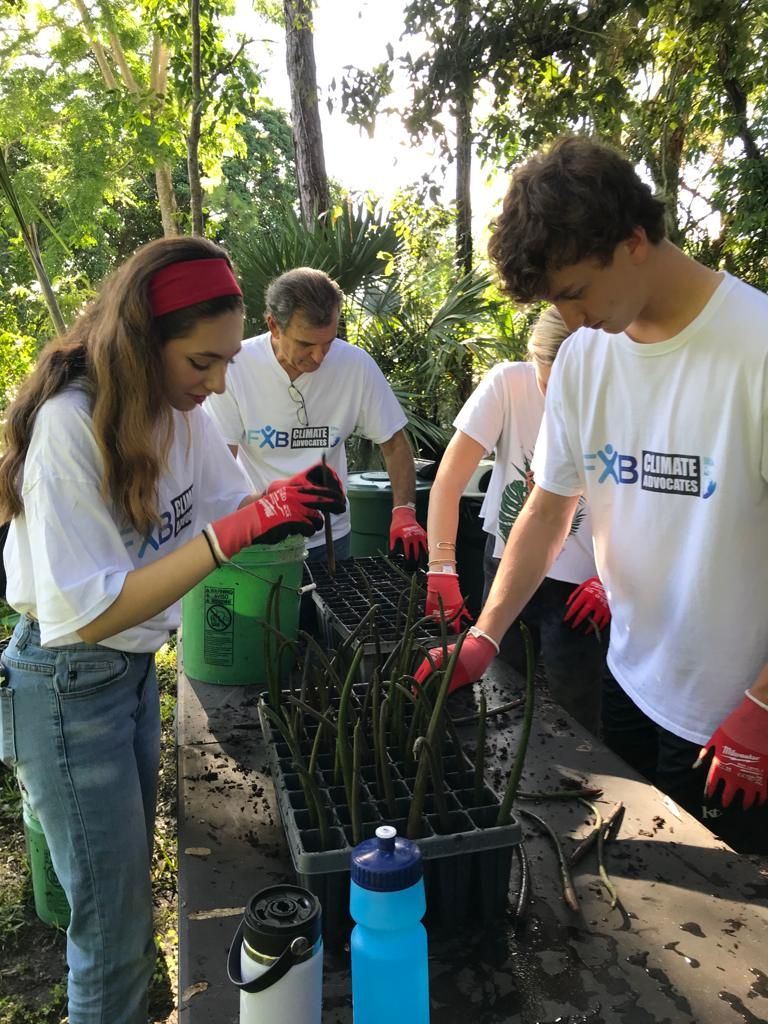
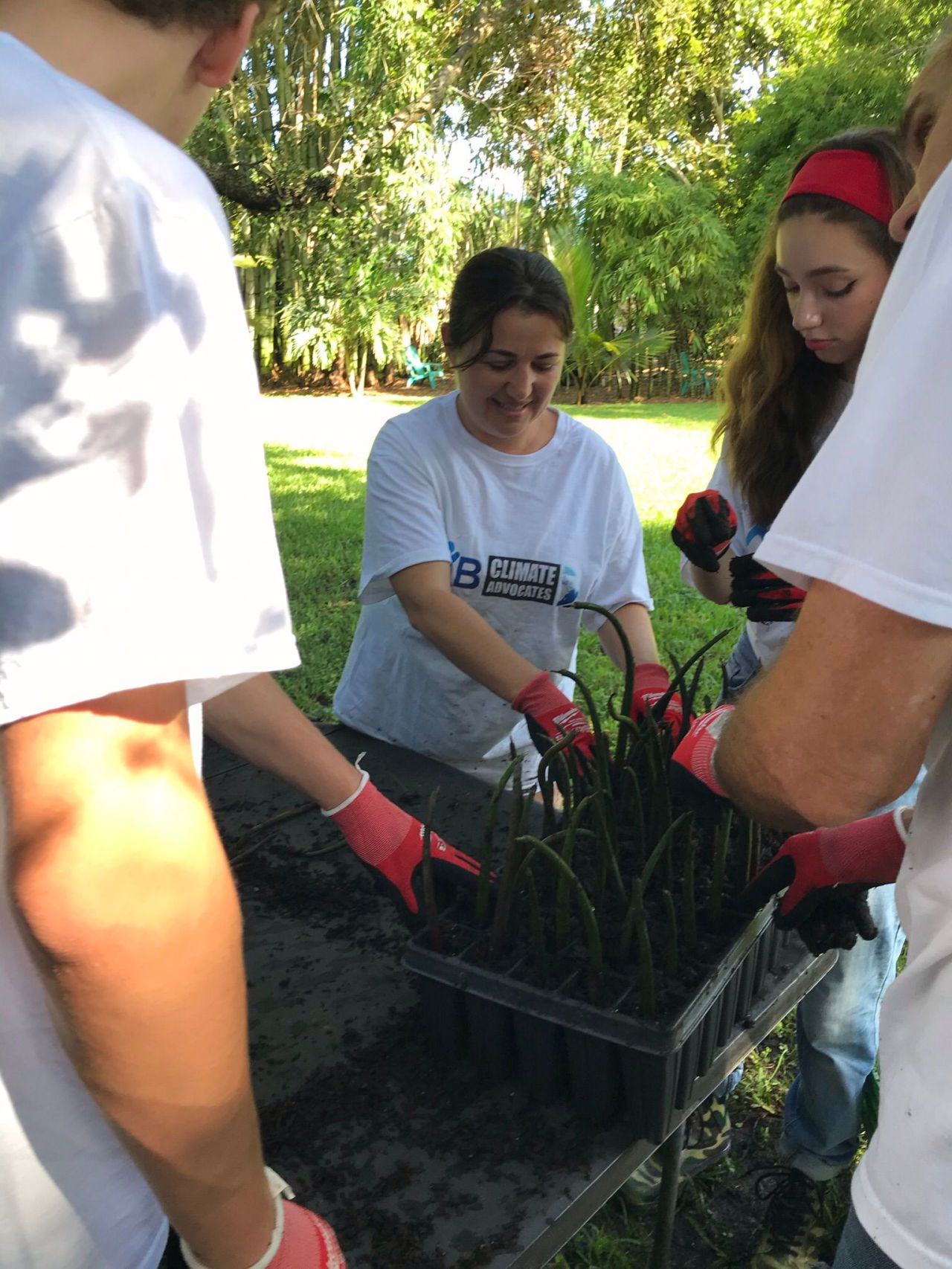
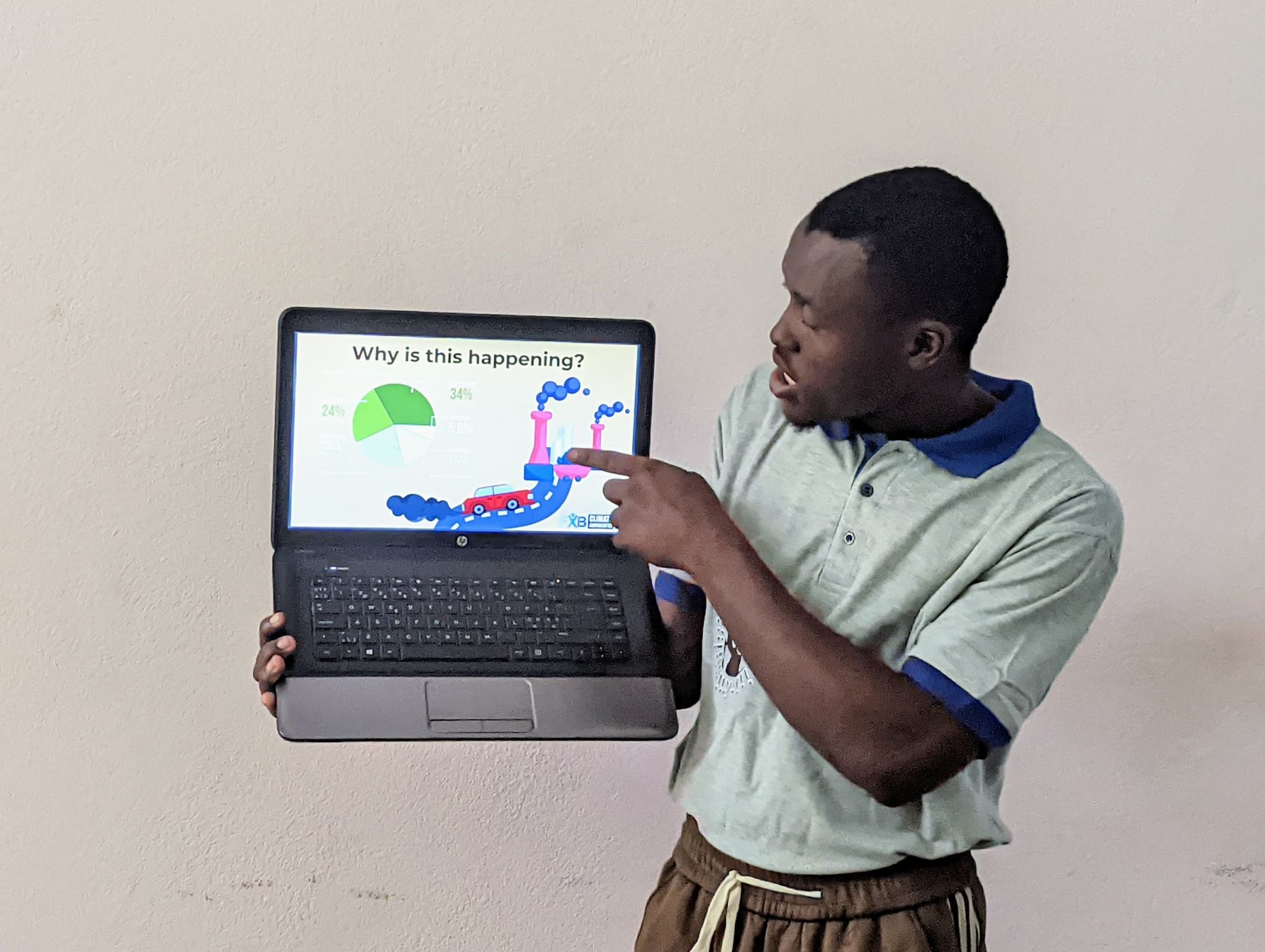
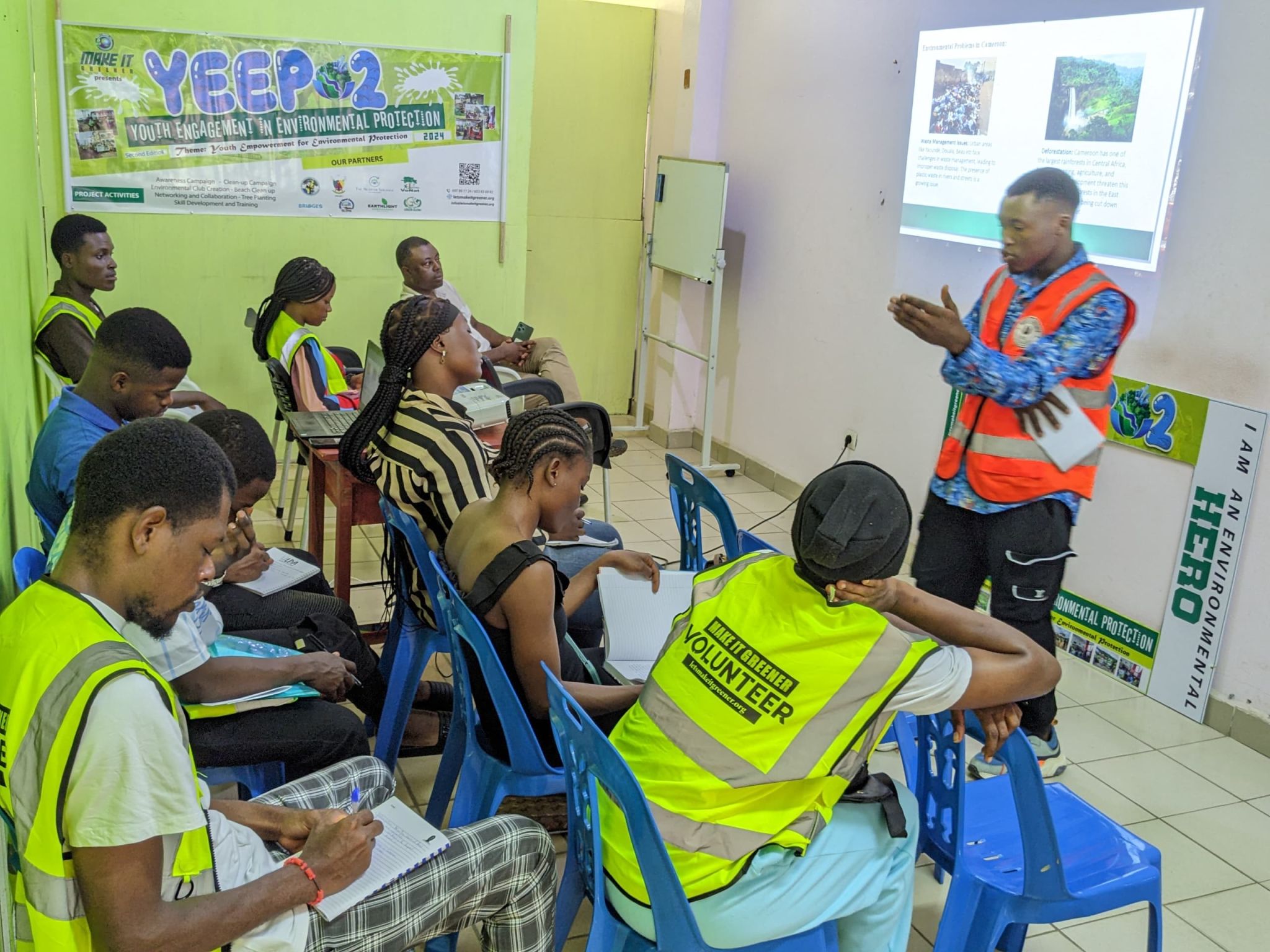
Develop strong climate science knowledge and deepen your understanding of adaptation, mitigation and climate change solutions.
Young people join a global community of advocacy, solidarity, action and friendship.
Discover our international communityEach participant develops and implements a project with a concrete impact in their community.
Tell me moreTake part in virtual climate training sessions and learn from experts from FXB Center for Health and Human Rights Harvard University, Red Cross and Red Crescent Climate Centre, of Project Drawdown,of Create2020, and many other organizations.

Since its launch in 2019, prior to the Covid-19 pandemic, the program has formed a global community of young climate leaders whose actions generate a concrete and measurable impact. Through expert-led training, peer-to-peer learning and the design of projects led by participants, the Climate Advocates enhance their knowledge, develop practical leadership skills and implement concrete climate actions in their communities, ranging from local initiatives to larger projects.
The Spring 2025 cohort demonstrates the concrete impact of the FXB Climate Advocates model.
94% of participants reported that they have deepened their knowledge of climate issues and their solutions.
92% of participants felt that they were better prepared to raise awareness and promote climate action.
NB: These figures only reflect the impact of the spring 2025 cohort. They do not represent the cumulative impact of the entire FXB Climate Advocates program.
Our members represent more than 120 countries.
 Climate Advocates
Afghanistan, Algeria, Angola, Antigua and Barbuda, Argentina, Armenia, Australia, Azerbaijan, Bahamas, Bangladesh, Belarus, Belgium, Benin, Bolivia, Botswana, Brazil, Bulgaria, Burkina Faso, Burundi, Cambodia, Cameroon, Canada, China, Chile, Colombia, Comoros, Congo, Côte d'Ivoire, Czech Republic, Democratic Republic of the Congo, Denmark, Djibouti, Dominica, Ecuador, Egypt, Eswatini, Ethiopia, France, Gabon, Gambia, Georgia, Germany, Ghana, Guatemala, Guinea, Guinea-Bissau, Haiti, Hong Kong, India, Indonesia, Iraq, Iran, Ireland, Israel, Italy, Jamaica, Japan, Jordan, Kazakhstan, Kenya, Kosovo, Kuwait, Lebanon, Lesotho, Liberia, Libya, Lithuania, Madagascar, Malawi, Malaysia, Mali, Mauritania, Mauritius, Mexico, Mongolia, Montenegro, Morocco, Mozambique, Myanmar, Namibia, Nepal, Niger, Nigeria, Oman, Pakistan, Palestine, Panama, Papua New Guinea, Paraguay, Netherlands, Peru, Philippines, Portugal, Qatar, Saudi Arabia, Mauritius, Mexico, Mongolia, Montenegro, Mozambique, South Africa, Spain, United Arab Emirates, United Kingdom, United States of America, Zambia, Rwanda, Sri Lanka, Sudan, Rwanda, Uganda, Rwanda, Sudan, Uganda, Togo
Our members have implemented more than 800 projects worldwide.
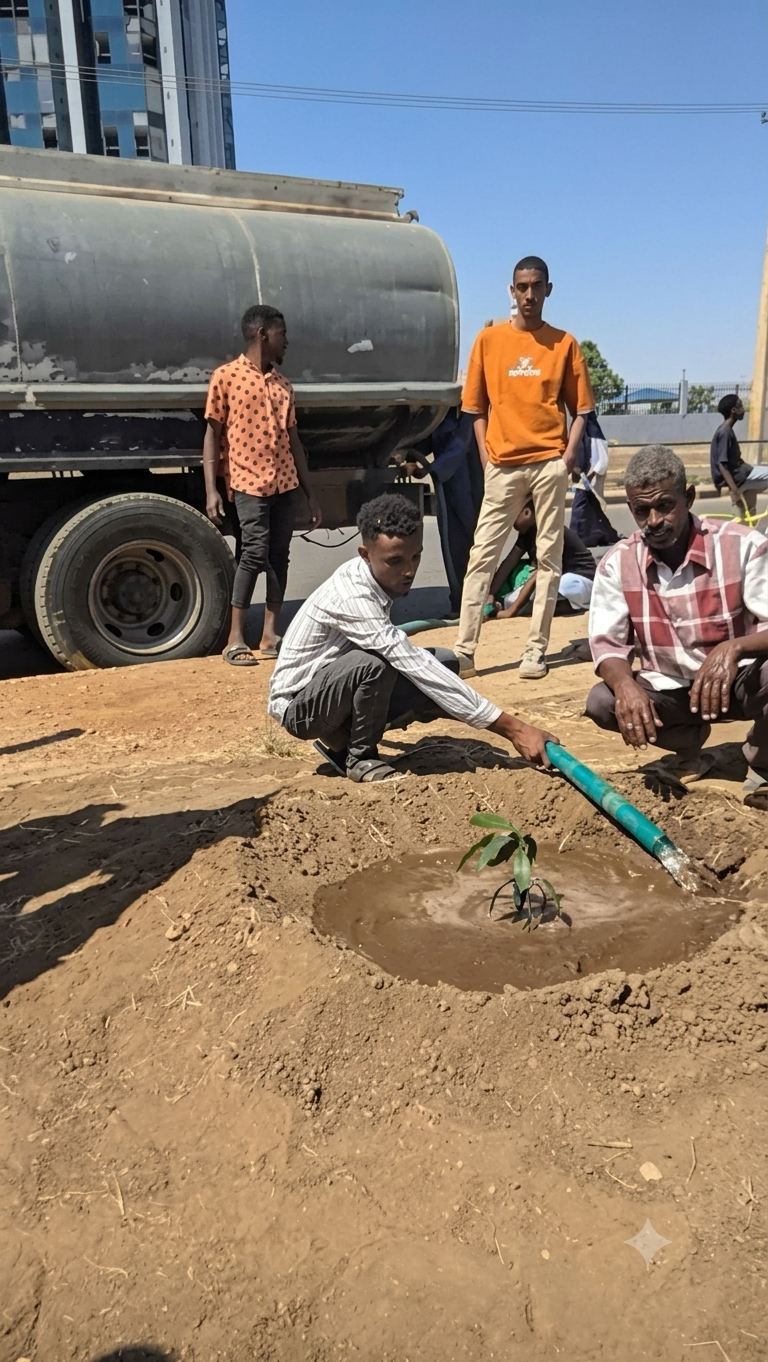
Sustainable food, agriculture and livelihoods
Sudan
The Digital Seed
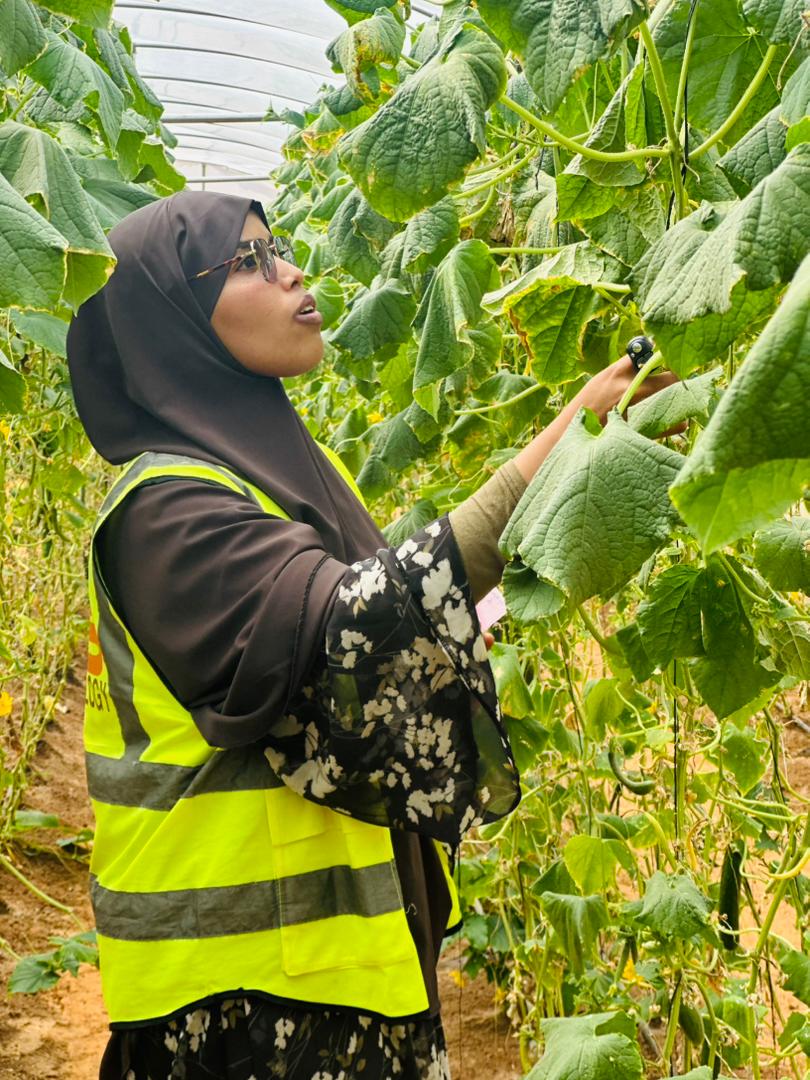
A regenerative agriculture initiative designed to strengthen food security and the resilience of rural communities in conflict-affected areas of Sudan. By combining agroforestry, composting, irrigation with renewable energy and digital monitoring, the project provides farmers with concrete tools to improve soil health, preserve natural resources and adapt to climate change. Participating farmers already use compost, reduce their dependence on chemical fertilizers and adopt more sustainable irrigation practices.
Sustainable food, agriculture and livelihoods
Somalia
The Climate Smart Agriculture Programme
The project gives farmers and young people the practical knowledge to make local food systems more resilient to climate change. Through community training, participants learn about water saving techniques, soil protection practices and climate-smart farming methods. The project strengthens local agricultural expertise while contributing to food security and adaptation of rural communities to drought and changing weather conditions.
Linkedin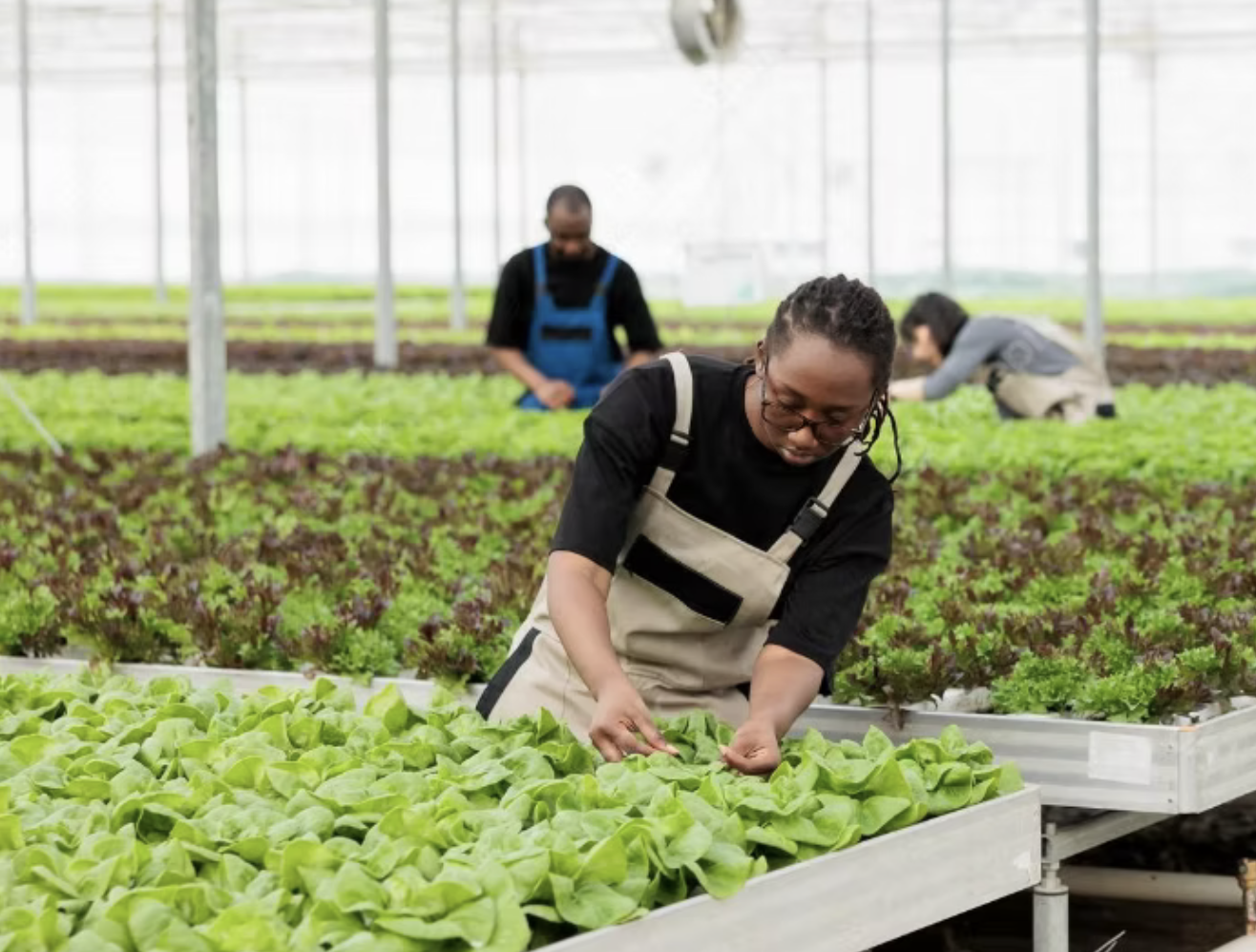
Sustainable food, agriculture and livelihoods
Portugal / Namibia
The Hydroponic Agriculture Initiative
The project is setting up a vertical hydroponic solar-powered farm in Windhoek, Namibia, to enhance food security in one of the world's most arid countries. The project combines climate-smart food production with income generation, generating jobs, supplying local communities with agricultural products and funding the VillageFXB model, which supports education, health and livelihood development programs. By combining renewable energy and hydroponic agriculture, this initiative proposes a replicable model for climate resilience and sustainable development.
Linkedin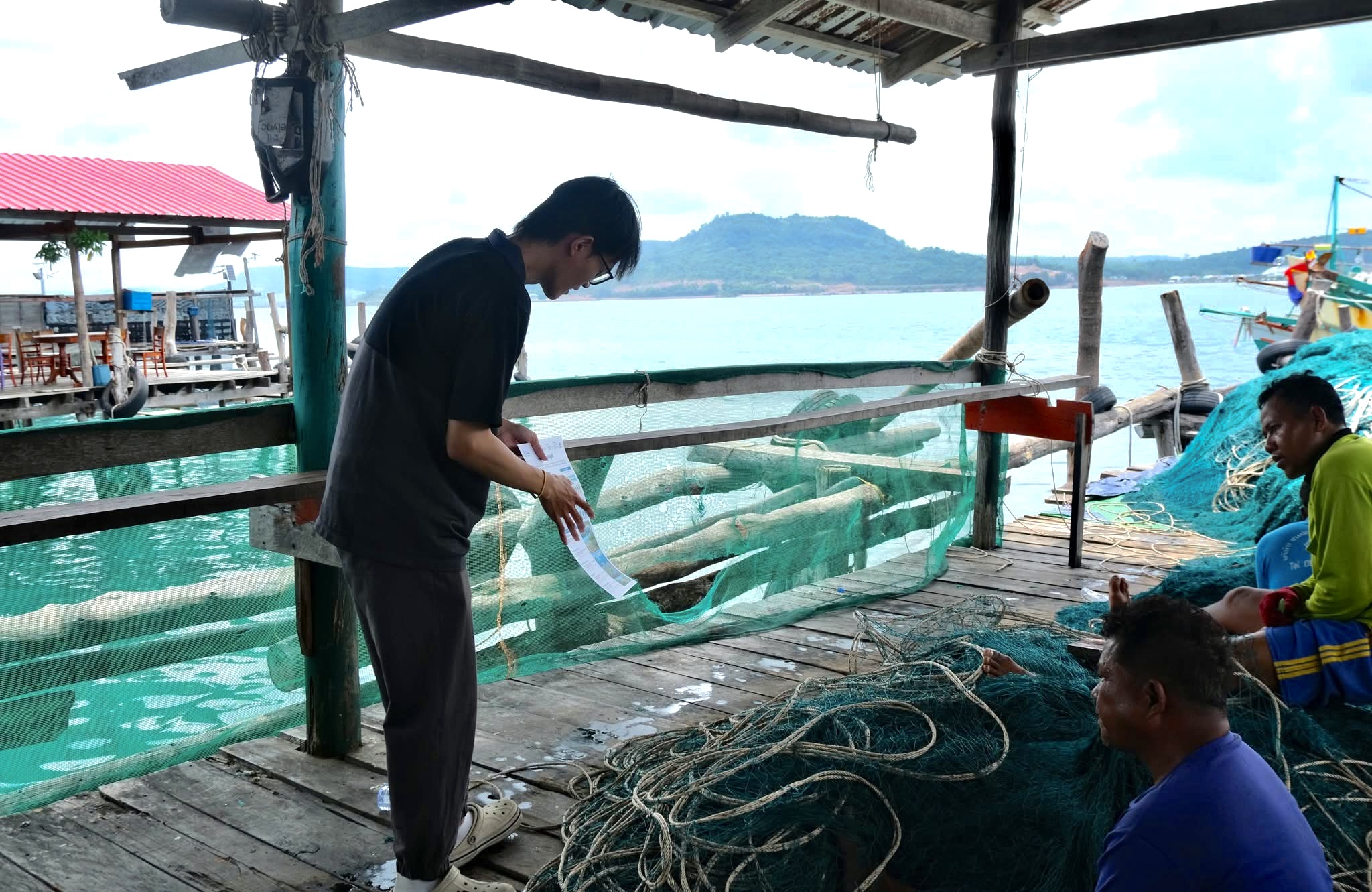
Nature conservation and ecosystem restoration
Cambodia
Nature-Based Solutions for Coastal Resilience
The project mobilizes island communities to protect mangroves, coral reefs and coastal ecosystems on which their livelihoods depend. Through advocacy and conservation, the project shows how healthy ecosystems can reduce vulnerability to climate change while supporting fisheries and biodiversity. Participants expressed increased interest in the reforestation of coastal areas and adopted more responsible fishing practices, thus strengthening the preservation of the Cambodian coastline.
Linkedin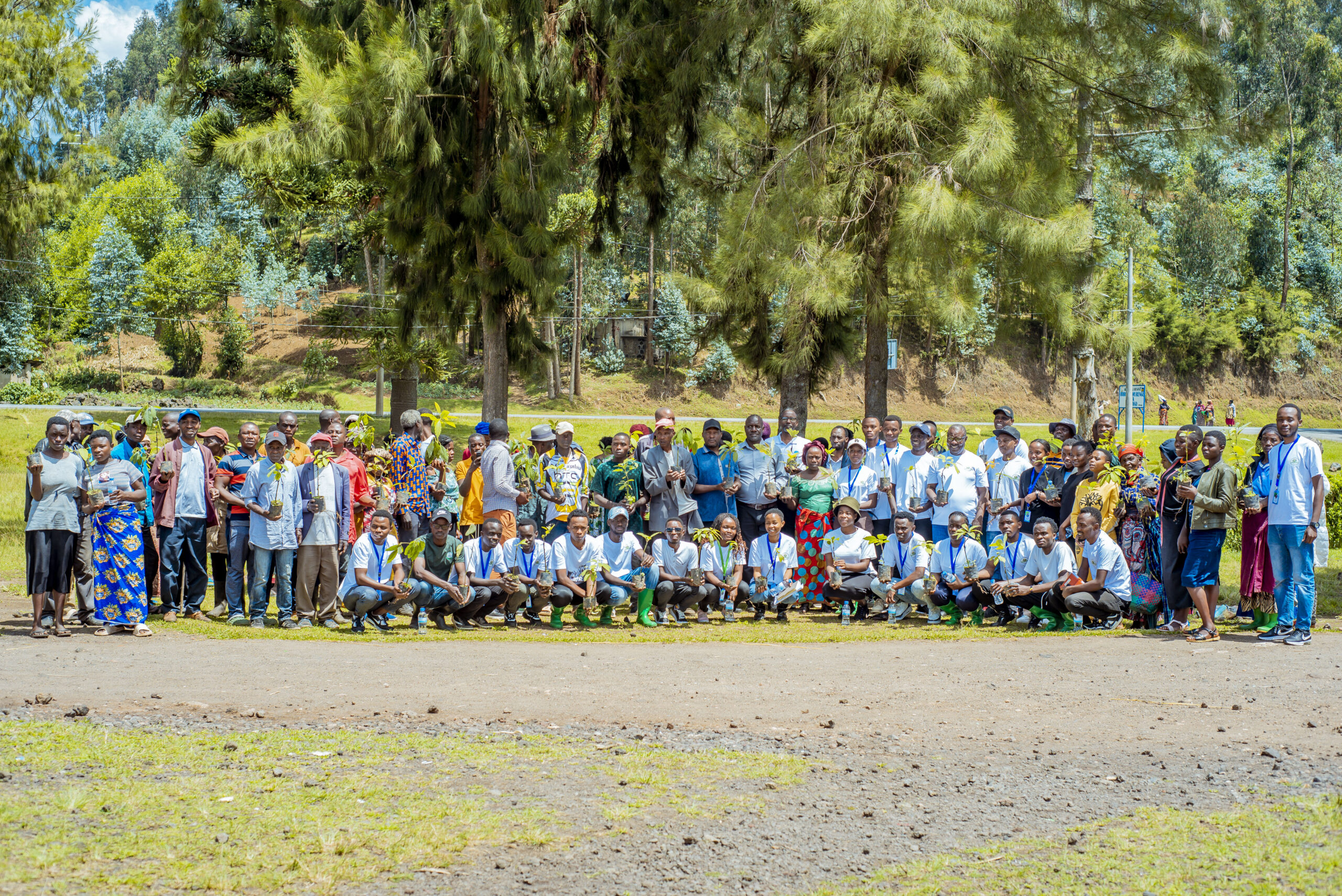
Nature conservation and ecosystem restoration
Rwanda
The Green Village Climate Action Project
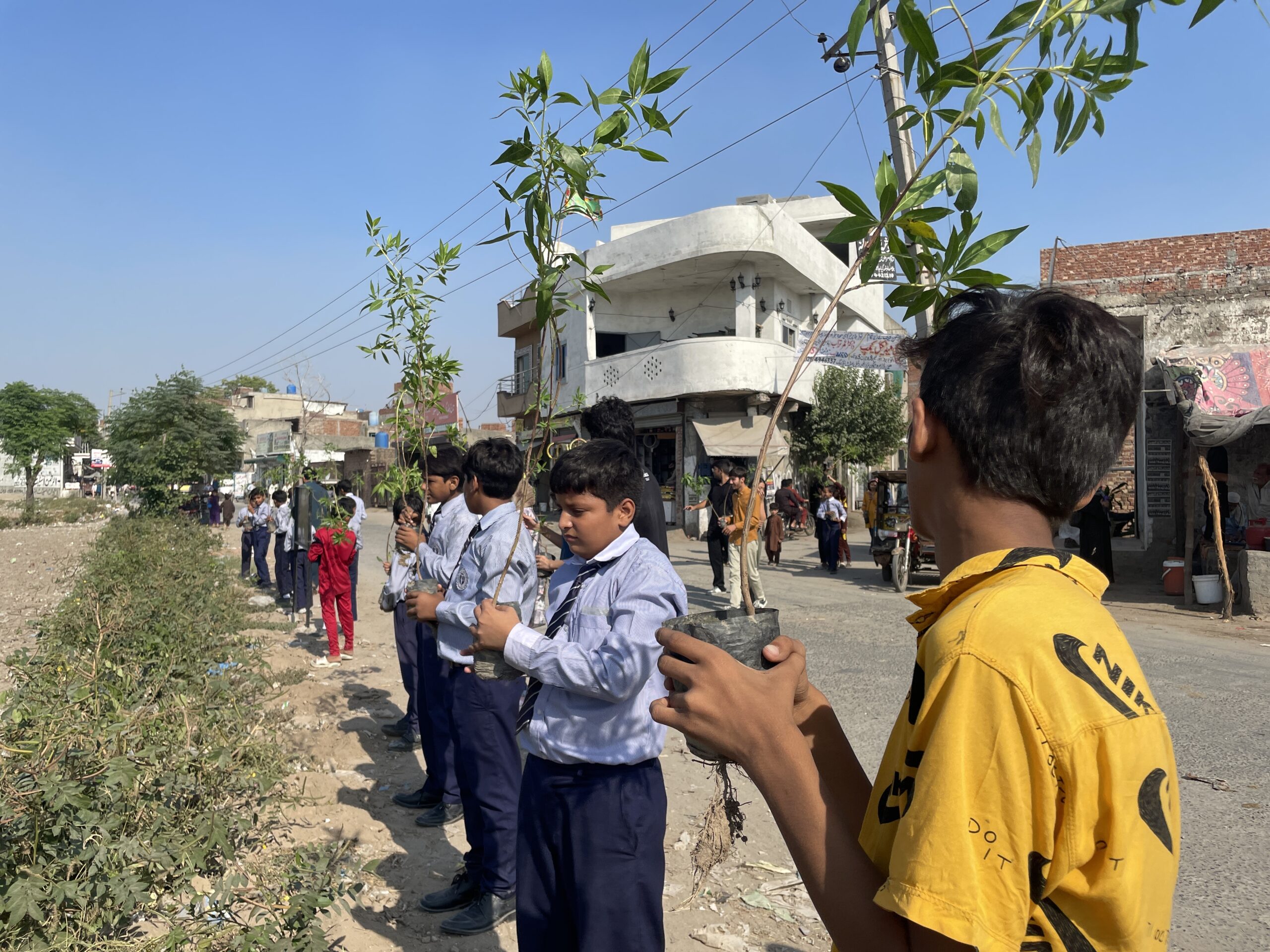
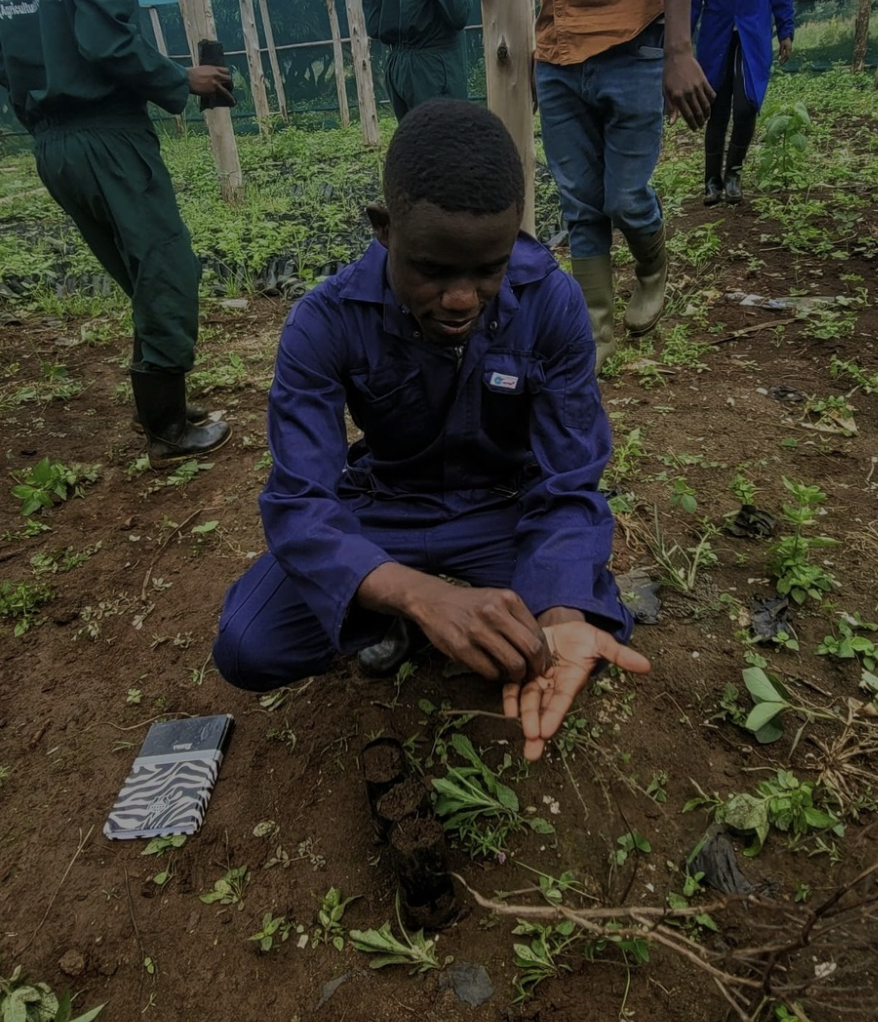
A Community initiative to restore forest cover while creating opportunities for women and young people in Rwanda. The project has established a local nursery using recycled and easily accessible materials and encourages families, schools and farmers to plant and maintain trees. Many homes have already started planting their own young shoots, contributing to the extension of green spaces while strengthening community engagement in ecosystem restoration.
Linkedin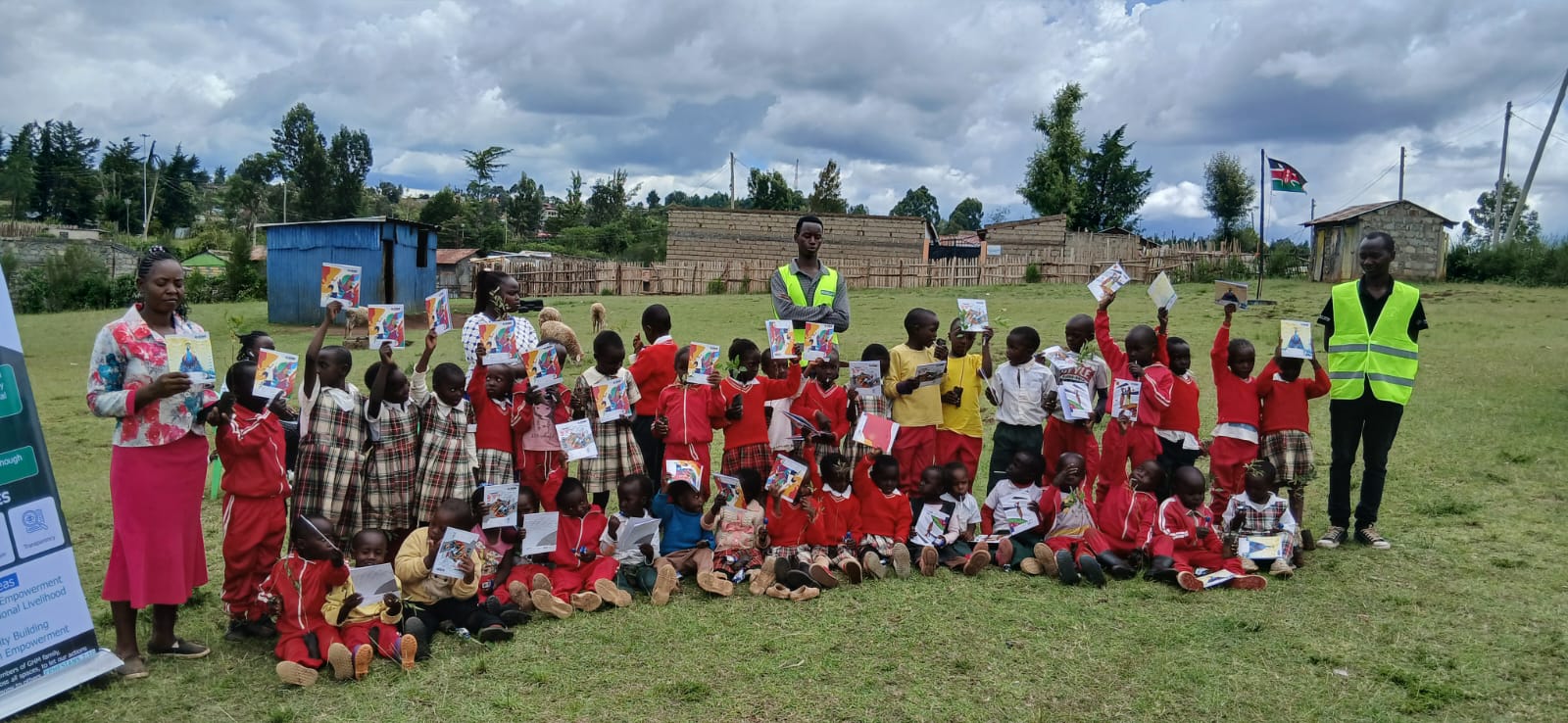
Nature conservation and ecosystem restoration
Kenya
The Roots of Life Campaign
The project mobilizes communities around tree plantations, environmental clean-up and climate awareness activities to restore degraded landscapes in Kenya. Affecting between 500 and 1,000 people, this initiative links ecosystem restoration with collective responsibility and sustainable livelihoods. By encouraging people to plant and protect trees and to participate actively in conservation actions, the campaign promotes a sustainable culture of environmental protection.
Linkedin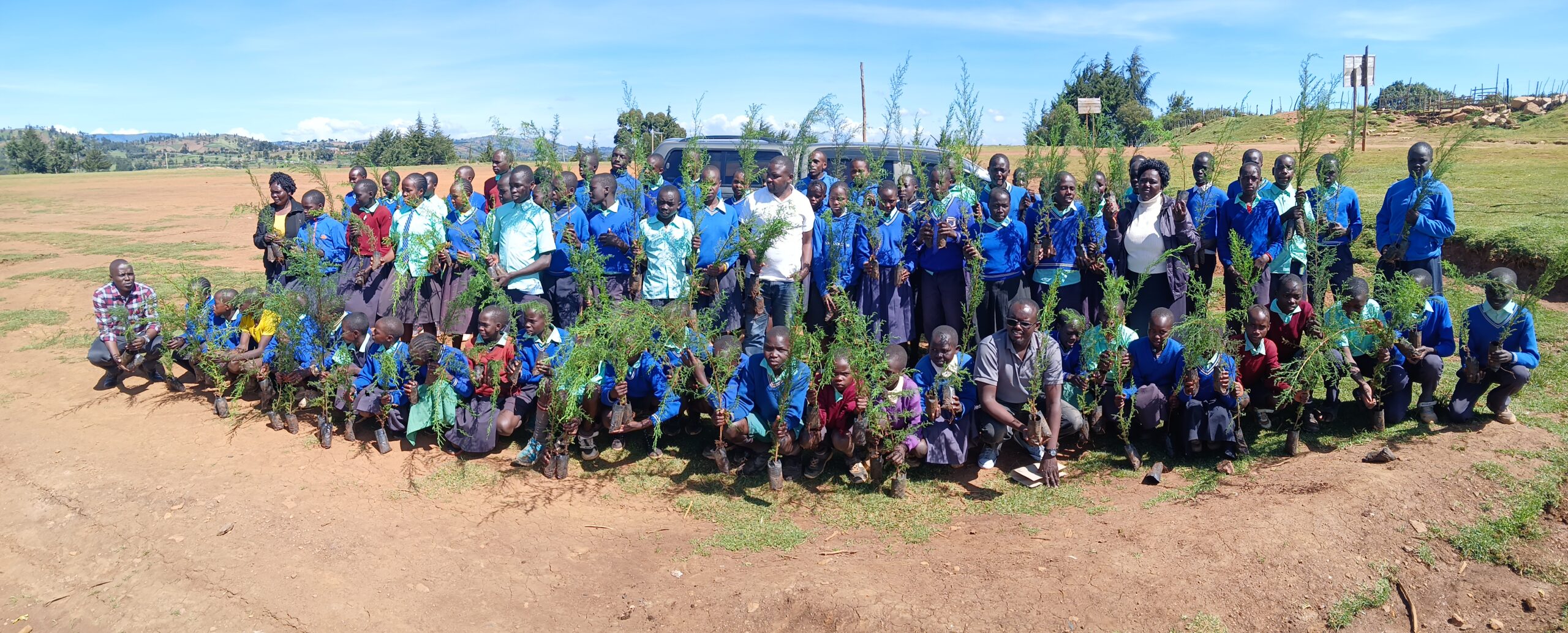
Nature conservation and ecosystem restoration
Kenya
Walking the Crisis
The project highlights the visible effects of climate change and environmental degradation in vulnerable communities in Kenya. By documenting landslides, soil erosion and degraded landscapes on the ground, the project links climate education to local realities. It also contributes to ecosystem restoration by distributing young plants to schools and encouraging tree planting and soil conservation.
Linkedin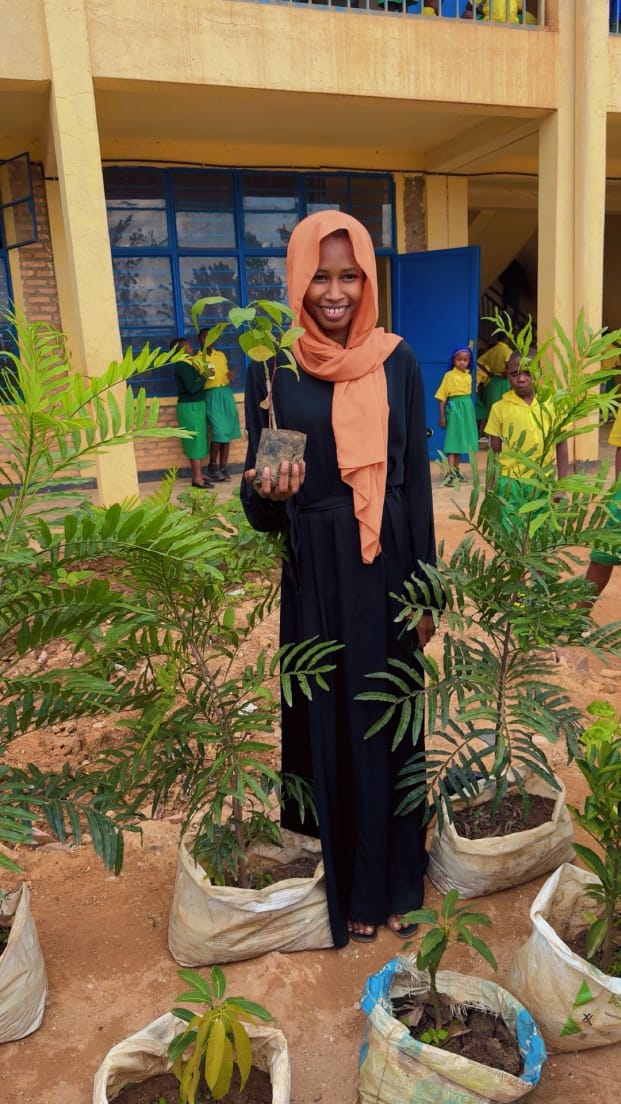
Nature conservation and ecosystem restoration
Rwanda
Trees Planting Awareness
The project combines environmental education and planting of local tree species to combat deforestation, erosion and land degradation. Working with schools and communities, the project not only explains the importance of trees, but also teaches participants how to plant, maintain and protect them sustainably. By combining awareness and concrete restoration actions, this initiative promotes the long-term survival of planted trees and their ecological impact.
Linkedin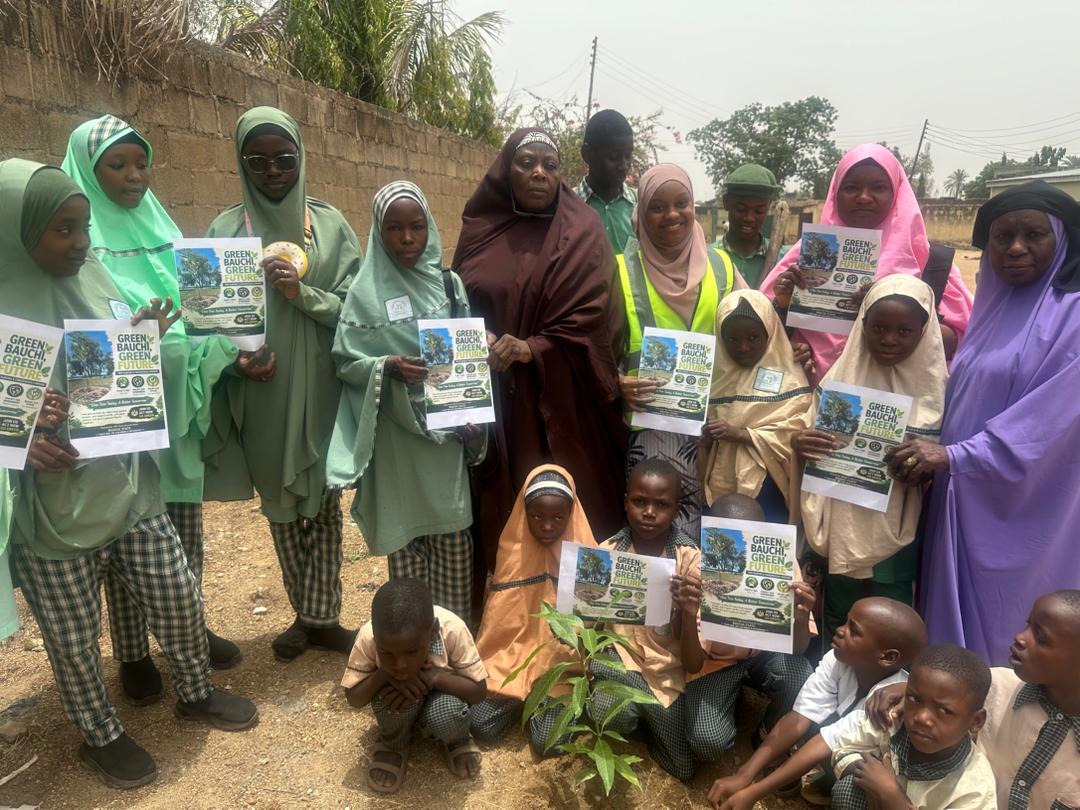
Nature conservation and ecosystem restoration
Nigeria
Green Bauchi, Green Future
A conservation initiative in Bauchi State schools. It combines tree planting and climate education. FOMWAN Academy students have planted trees, learned to care for them, and discovered how reforestation can reduce temperatures, prevent soil erosion, preserve biodiversity and absorb carbon. The project encouraged both students and teachers to adopt sustainable tree protection practices and to become more involved in preserving their environment.
Linkedin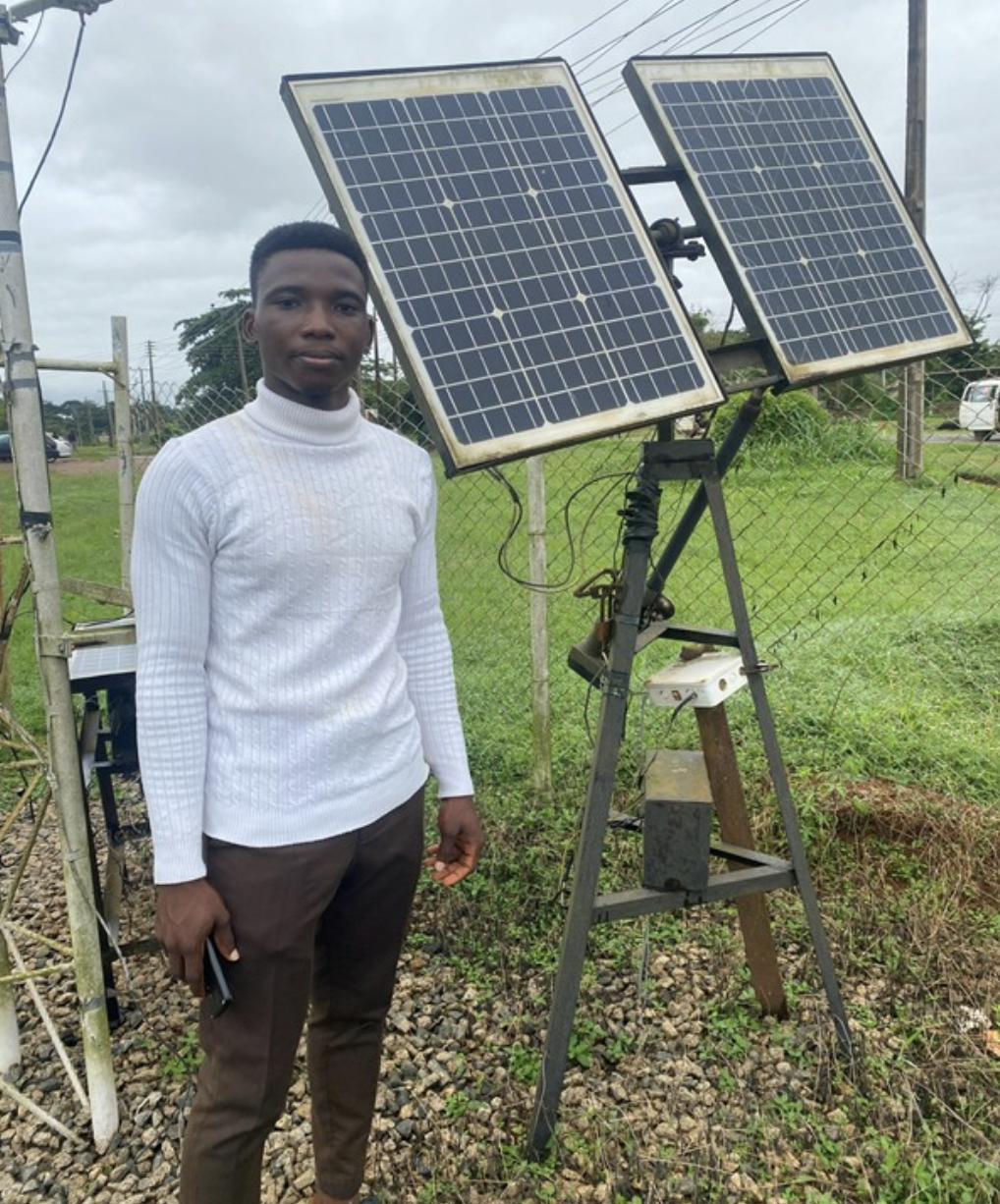
Clean energy and climate technologies
Nigeria
The Solar-Powered Automated Weather Station for Climate-Resilient Agriculture
The project uses affordable technology to help Nigerian farmers make better decisions about climate change. This autonomous solar-powered system measures precipitation, soil moisture, temperature and other local parameters, providing very accurate data to guide planting, irrigation and harvesting decisions. By combining renewable energies and concrete climate data, the project makes climate-smart technologies more accessible to agricultural communities.
Linkedin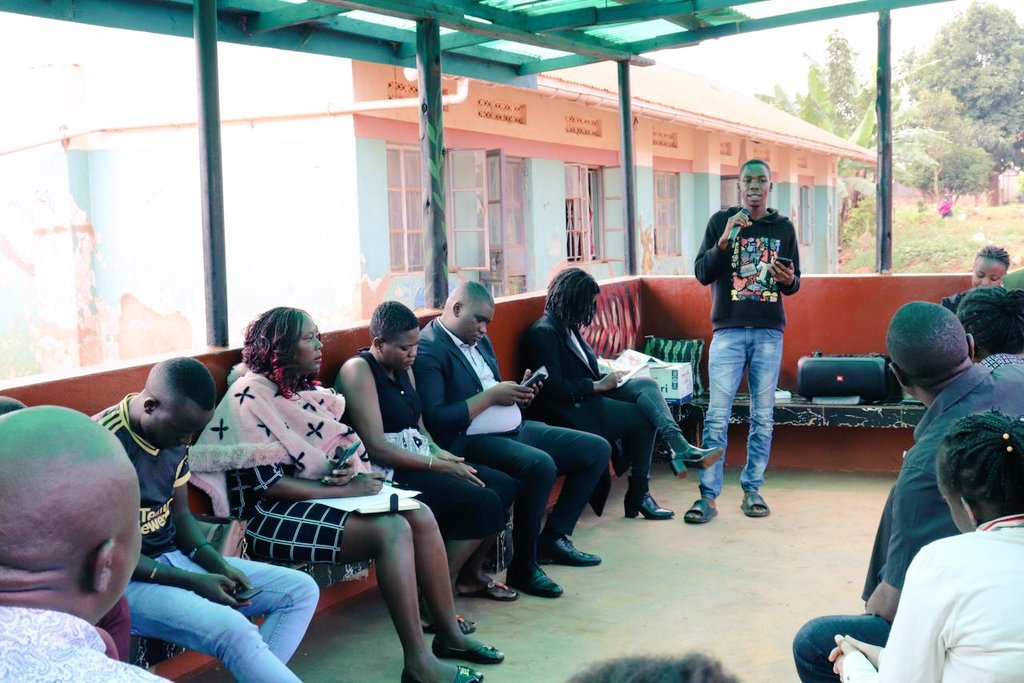
Clean energy and climate technologies
Uganda
Air Quality Data for a Healthy Mbuya2
The project uses accessible technology to make air pollution often imperceptible. Using an AirBeam sensor, the project measures fine particulate concentrations (PM2.5) in the most exposed areas and then transforms these data into awareness and advocacy. By providing people with concrete information on the quality of the air they breathe, the initiative reinforces awareness and provides arguments to promote healthier neighbourhoods.
Linkedin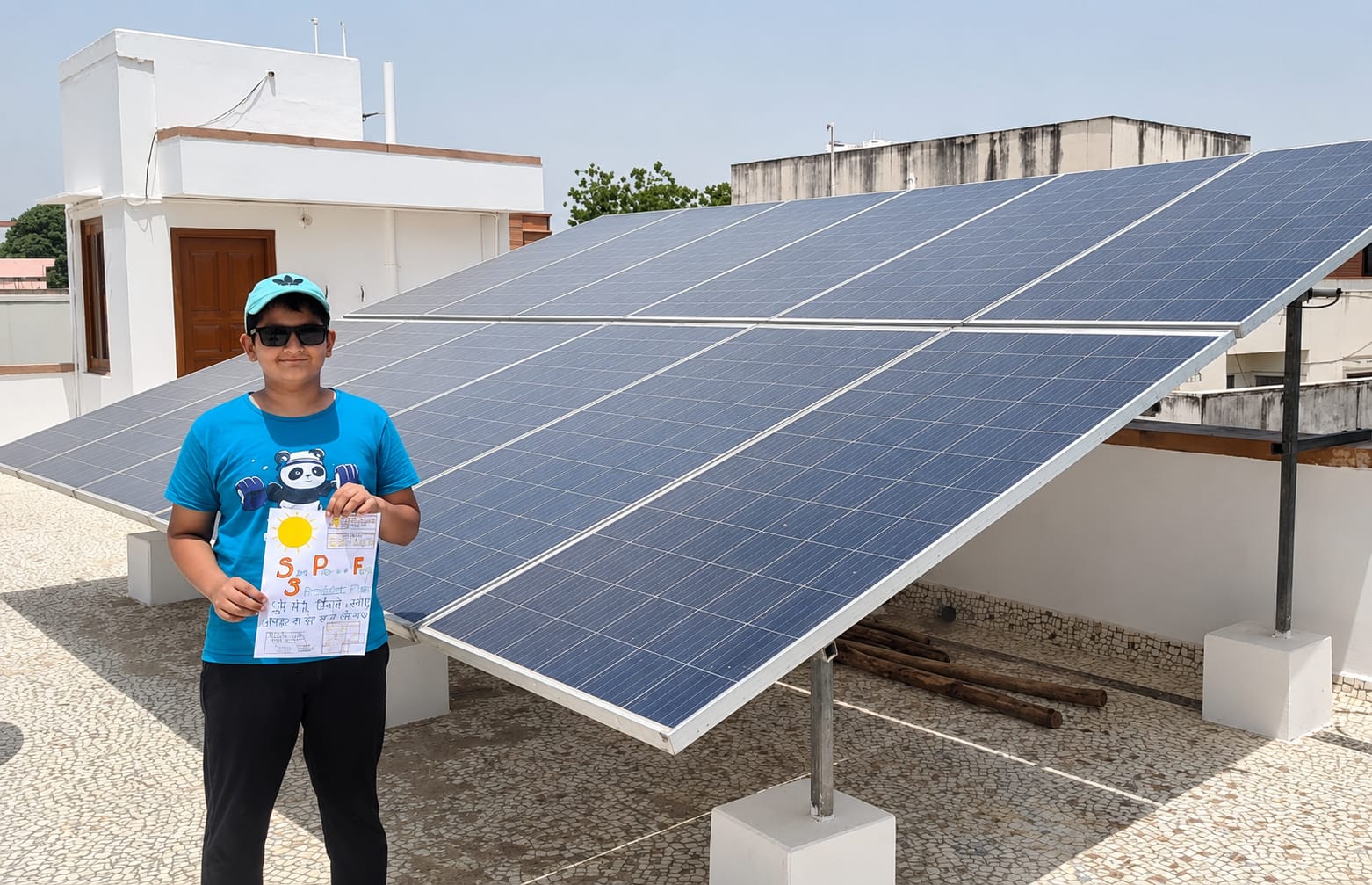
Clean energy and climate technologies
India
Sun Power for Suncity
The project encourages the installation of solar panels on roofs as a clean energy solution accessible to Jodhpur families. The project helps households to understand the operation of solar systems, the availability of state aid and the various possibilities of installation. By making complex technology easier to understand, the initiative has prompted many families to contact installers and consider a transition to solar energy.
Clean energy and climate technologies
Uzbekistan
Digital Clean-Up: Reducing Our Invisible Footprint
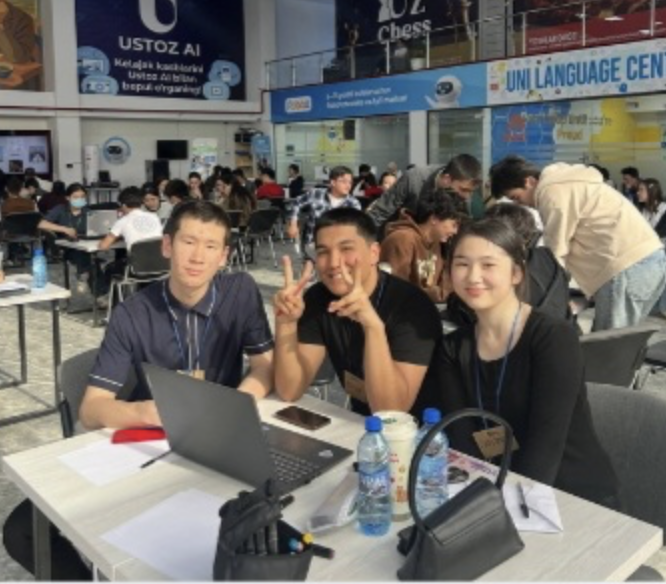
The project makes young people aware of the environmental impact of their digital activities. The project highlights the link between unnecessary emails, files stored in the cloud and energy consumed by data centers. Through digital cleaning challenges, participants are encouraged to reduce their digital footprint. By changing daily habits, this initiative makes more concrete a often unknown form of energy saving.
Clean energy and climate technologies
Pakistan
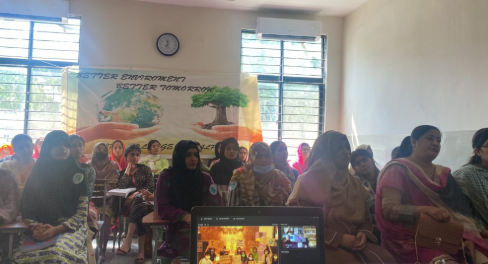
Empowering Communities Through Energy Conservation
The project helps students and families identify simple ways to reduce their electricity consumption without using expensive technologies. Through practical activities, participants discover hidden sources of energy waste, including electricity consumed by devices left connected when not used. The project transforms energy savings into simple everyday gestures, reducing waste and reducing energy demand.
Waste reduction and circular economy
Nigeria
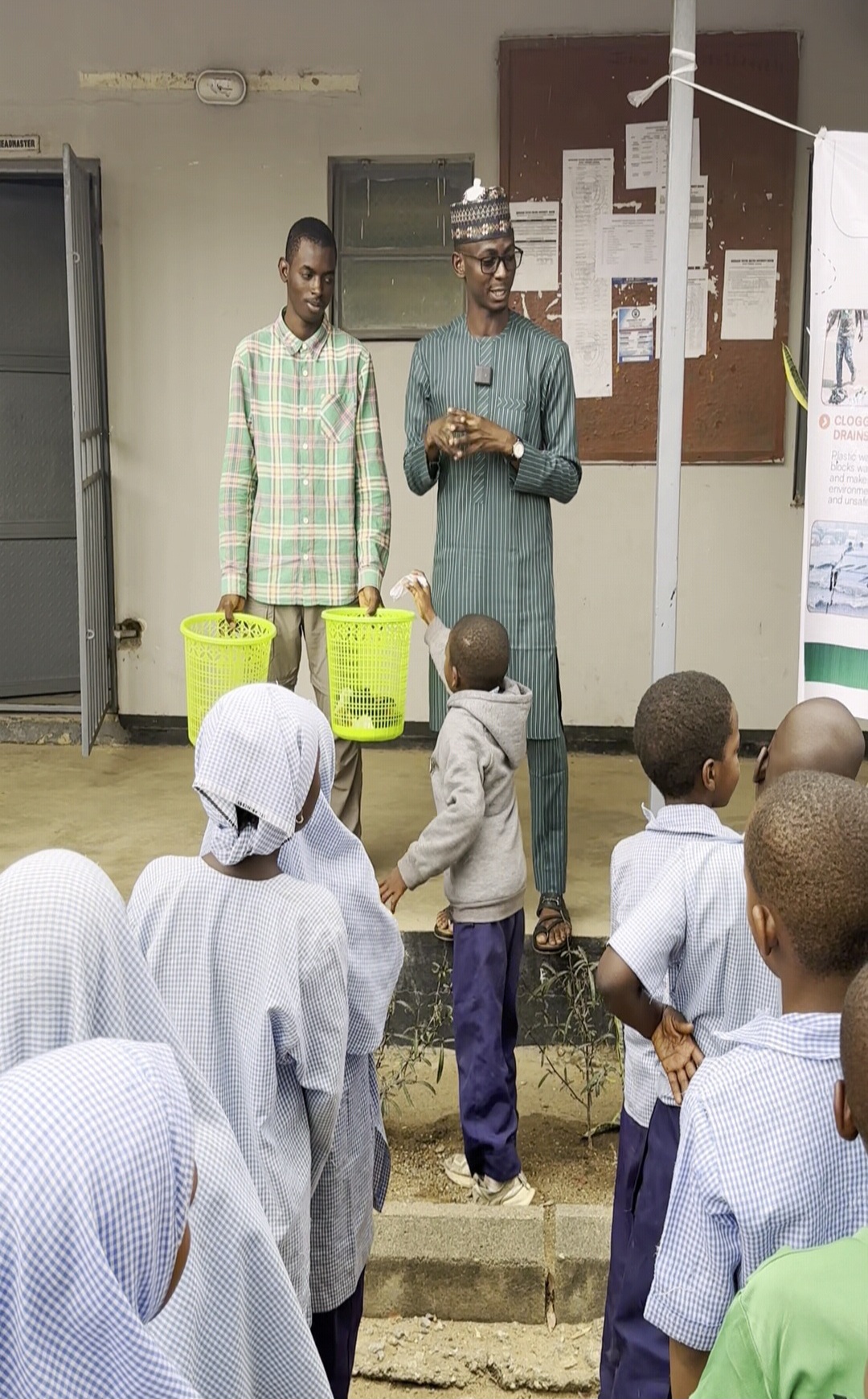
SafeWaste Initiative
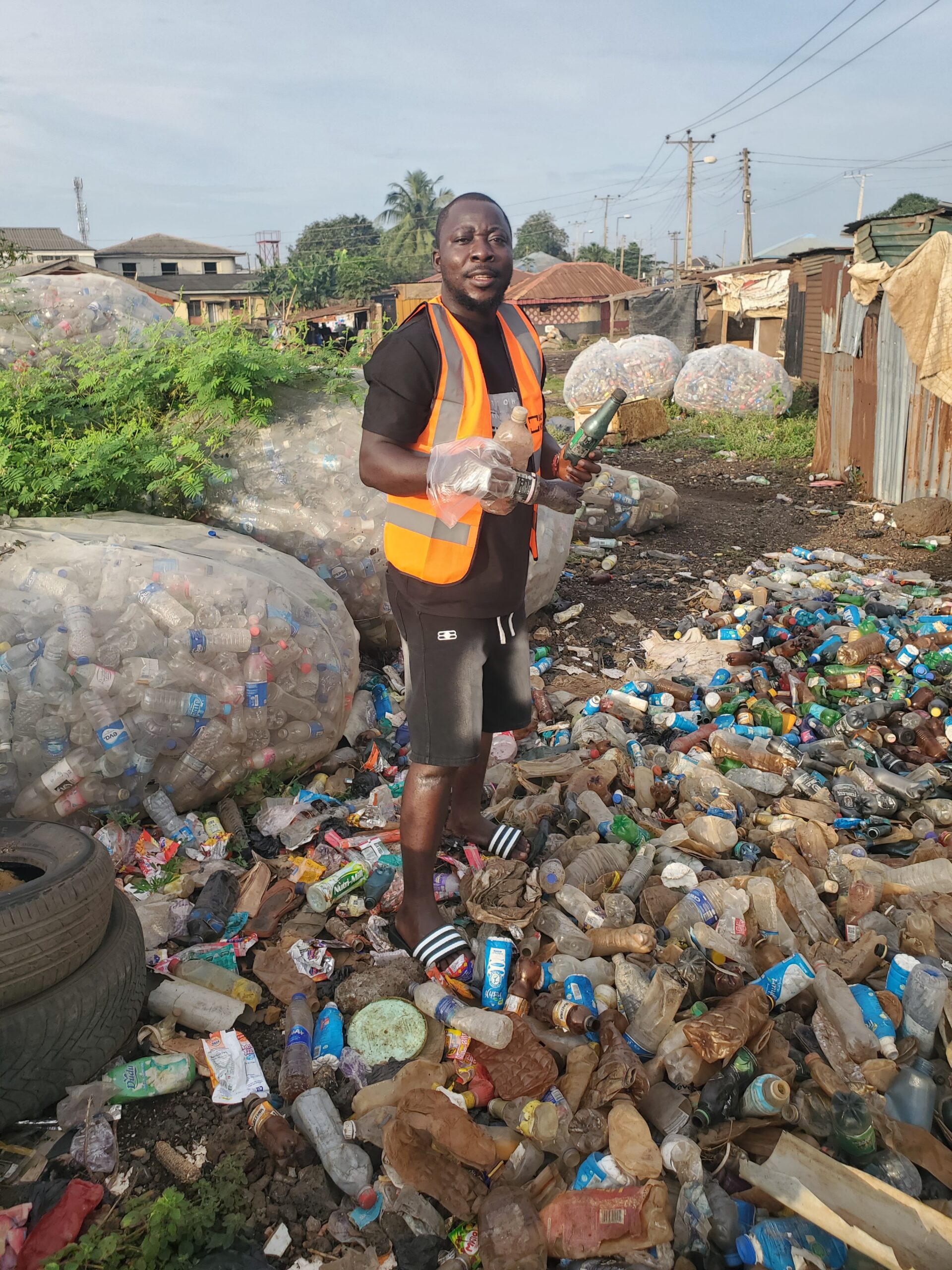
An environmental project led by young people that transforms the way communities perceive waste, recycling and responsible management. Through clean-up, awareness-raising and the promotion of the circular economy, the initiative has already reached more than 5,000 people, particularly in disadvantaged communities. By combining concrete actions with environmental education, SafeWaste encourages everyone to consider waste as a resource that can be used more sustainably.
Linkedin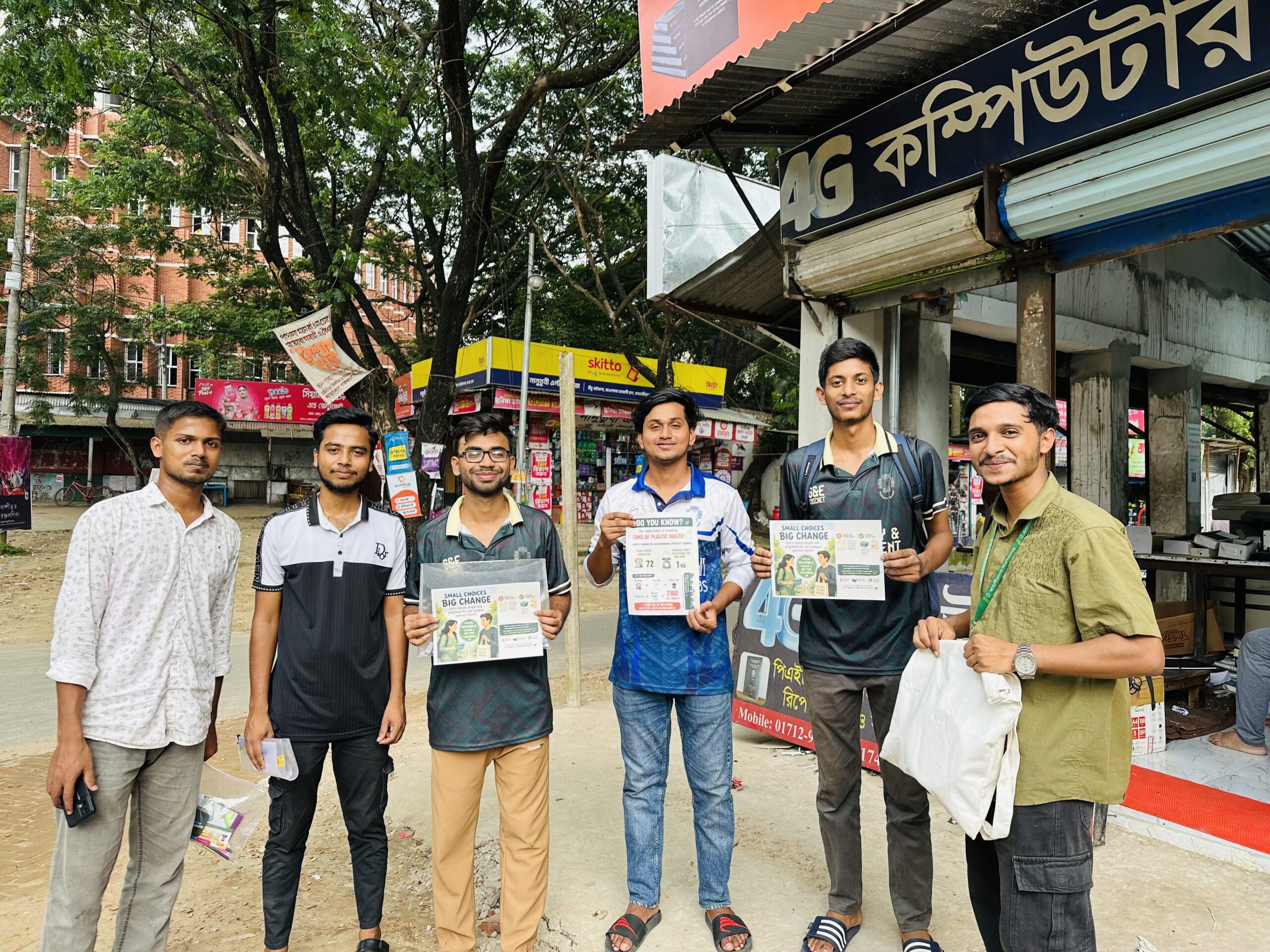
Waste reduction and circular economy
Bangladesh
Reducing Single-Use Polythene for Food Parcels
The project combats everyday plastic waste by working directly with students and food vendors. The project raises awareness of the environmental impact of single-use plastic packaging while encouraging the use of reusable alternatives. As a result of the initiative, many students began bringing their own containers to buy their meals, demonstrating that targeted awareness can lead to immediate behavioural changes.
Linkedin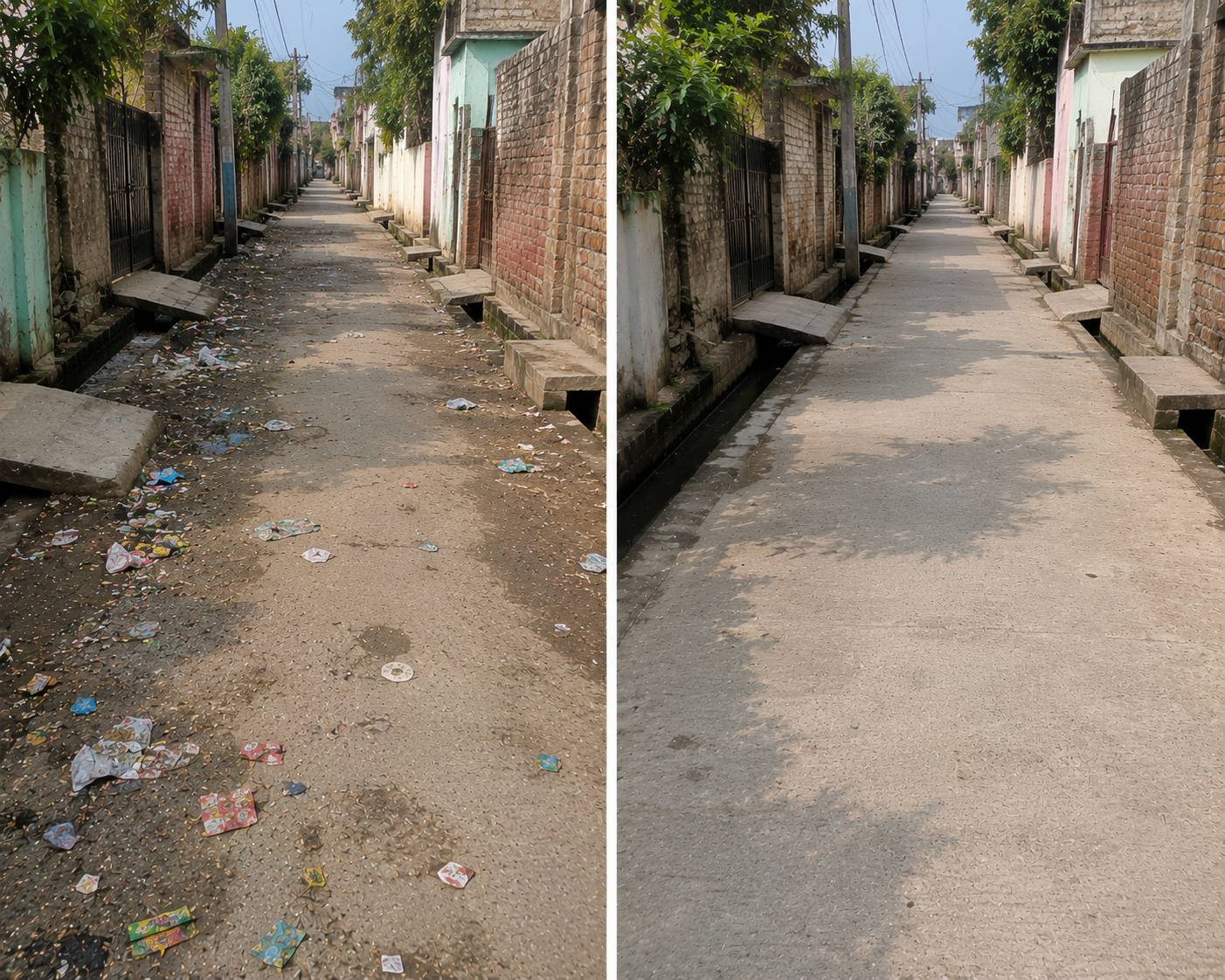
Waste reduction and circular economy
India
Plastic The Poison
The project mobilizes students to become aware of their responsibility for the single-use plastic waste they produce. The project installed collection points for recycling on campus while raising awareness of waste sorting and plastic pollution among students. Participants began to separate plastics from other wastes and place them in dedicated collection points, transforming awareness into concrete actions.
Linkedin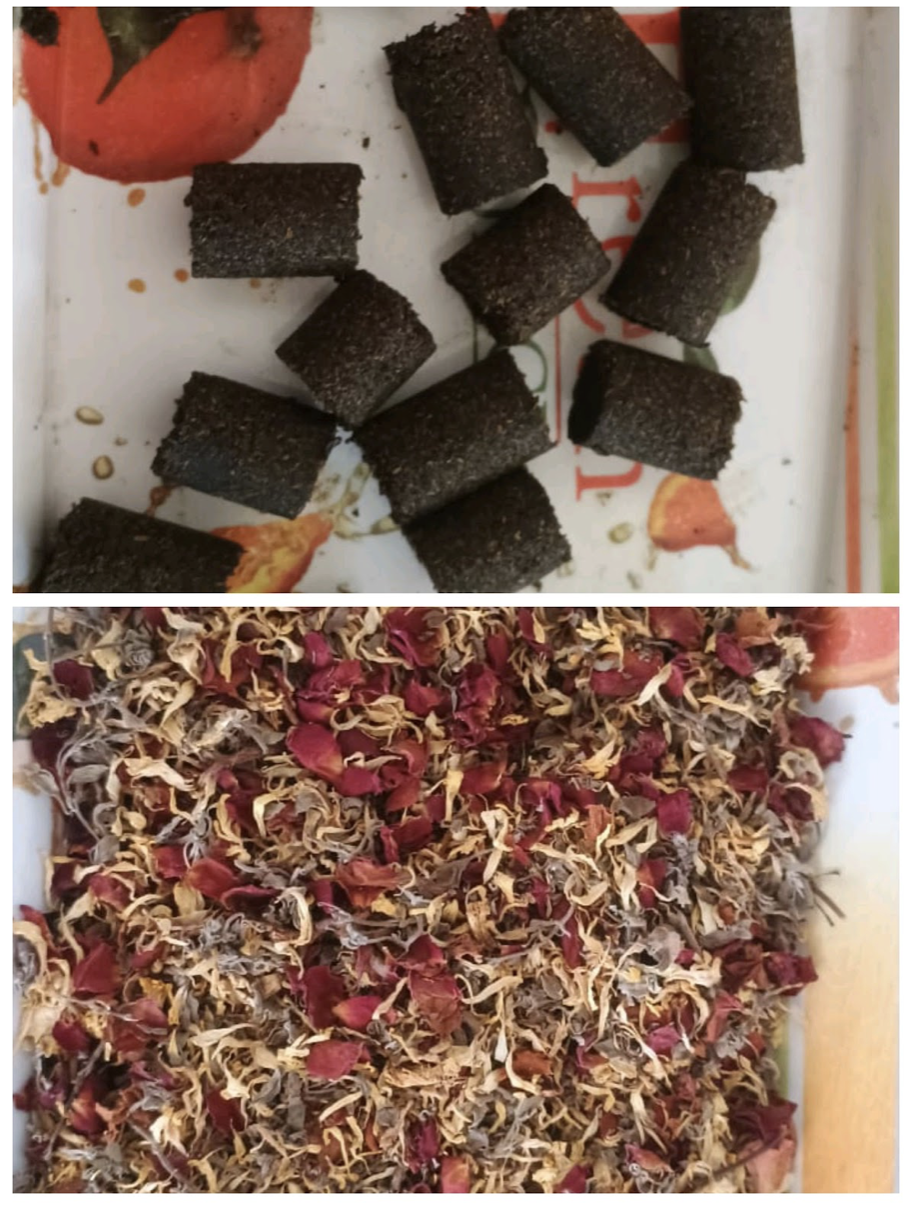
Waste reduction and circular economy
India
FloralMist
The project gives a second life to flowers and leaves from temples by transforming these organic waste into incense and perfumed products. The project avoids such floral waste being dumped into streams while demonstrating that natural materials can become useful and marketable products. Five participants trained under the initiative are already applying this model as an income-generating activity, combining waste reduction and sustainable livelihoods.

Waste reduction and circular economy
Tunisia
From Waste to Green
The project transforms current waste into useful resources to improve the local environment. The project enhances composted organic waste while reusing used tires as community gardeners and green spaces. By reducing visible waste and creating new uses from abandoned materials, this initiative illustrates the principles of circular economy while improving soil quality and living conditions.
Waste reduction and circular economy
Ivory Coast
Abidjan Trash2Talent
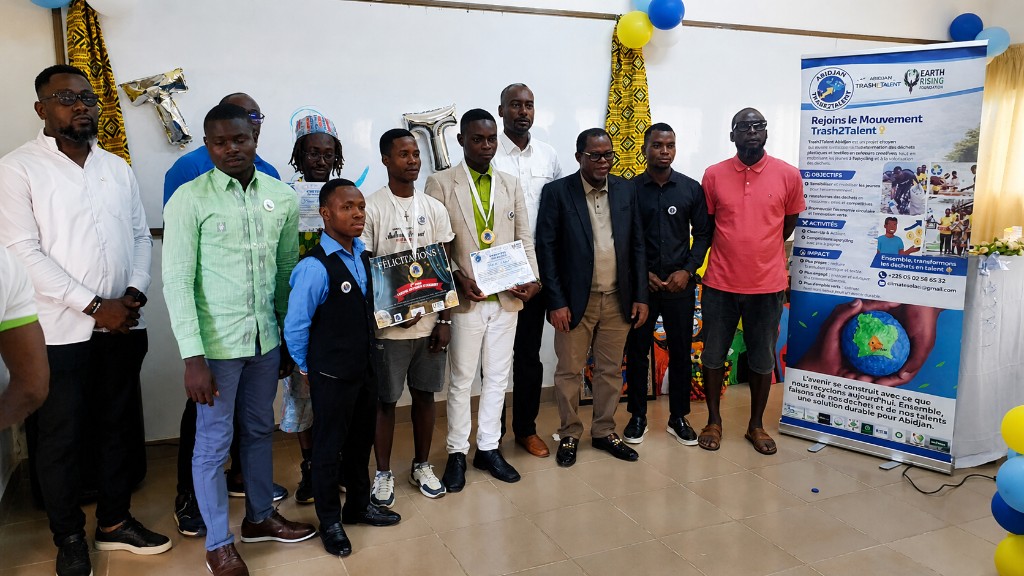
The project transforms the challenges of waste management into socio-economic opportunities by mobilizing young people around the up-cycling in Abidjan. This youth-led initiative promotes circular economy solutions while transmitting practical skills to give new value to used materials. By combining environmental awareness, waste reduction and green entrepreneurship, the project encourages young people to become actors in building a more sustainable city.
Linkedin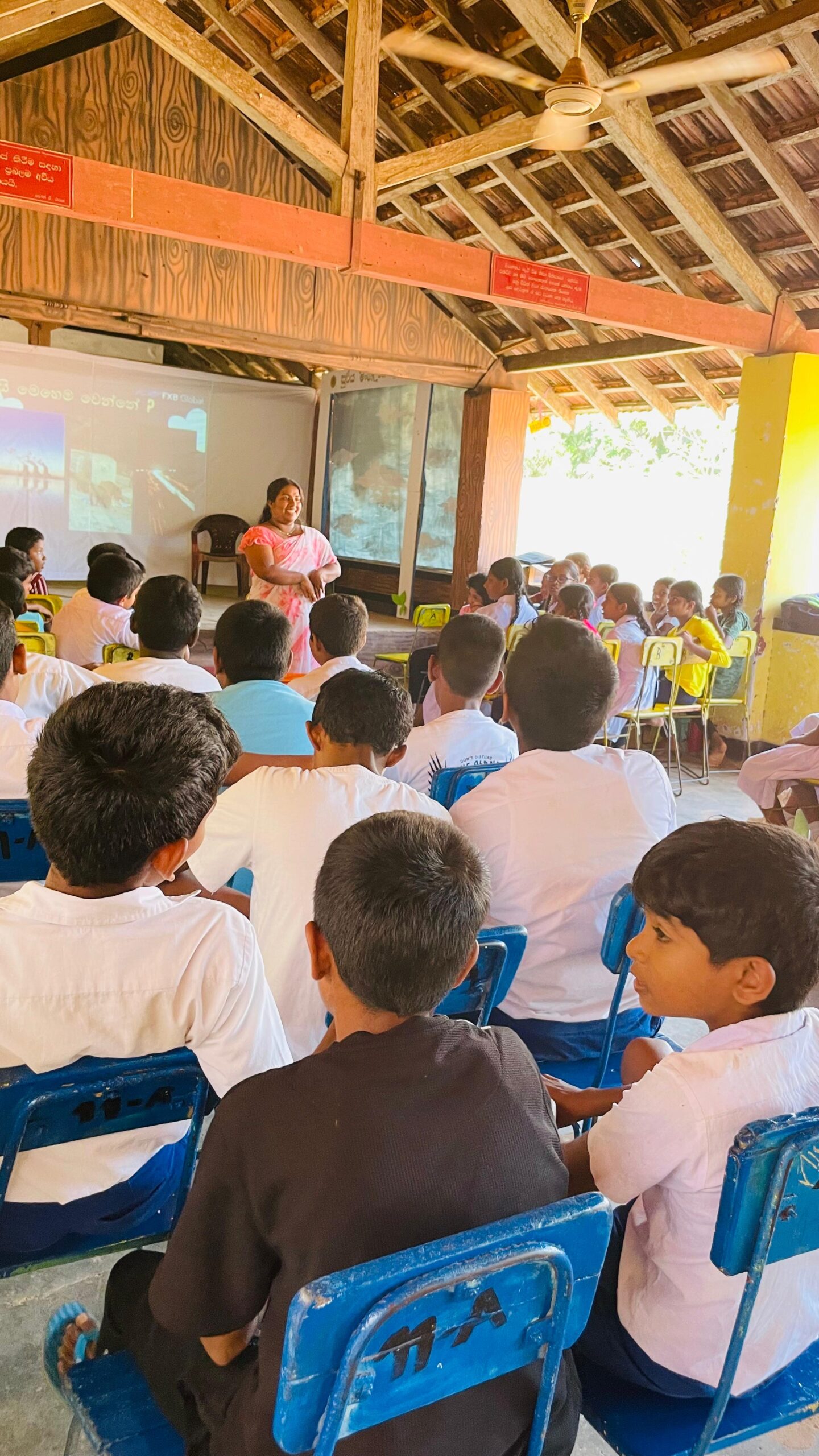
Climate education, advocacy and public policy
Sri Lanka
Operation Resilience
The project uses interactive and fun learning methods to help young people understand climate change and prepare for its consequences. The project involves about 100 students and combines lessons in climate science, natural resource management and emergency preparedness exercises. By developing teamwork, environmental conservation habits and problem-solving capabilities, the initiative gives young people the knowledge and confidence to contribute to more resilient communities.
Climate education, advocacy and public policy
Bangladesh
The Rohingya Climate Resilience Initiative
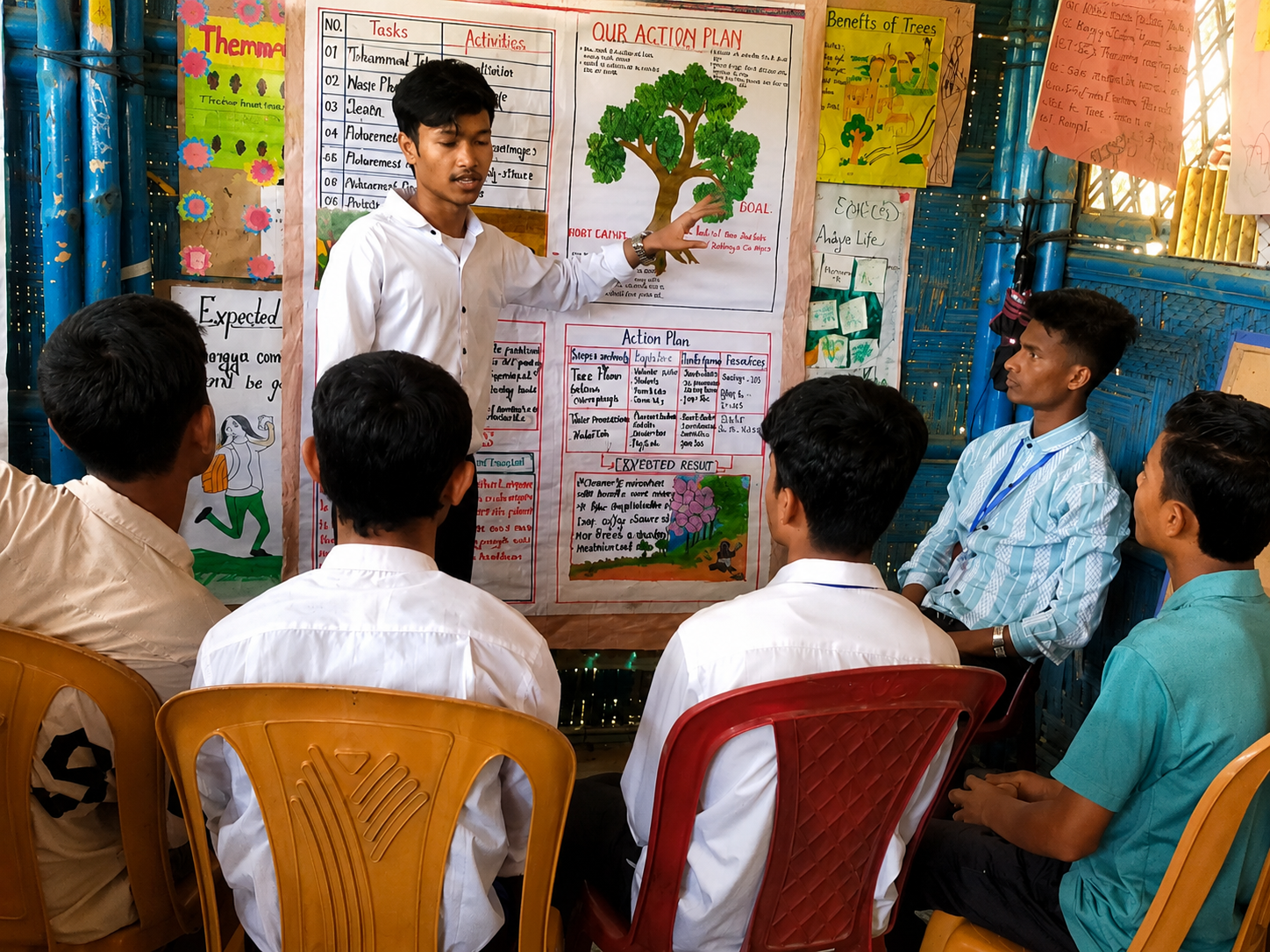
The project provides climate education and disaster preparedness to Rohingya refugees and their host communities. Affecting 500 to 1,000 people, the project helps youth and families better understand environmental risks and adopt more sustainable practices. By making climate knowledge accessible to particularly vulnerable populations, the initiative strengthens their capacity to participate in local resilience actions.
Climate education, advocacy and public policy
Ghana
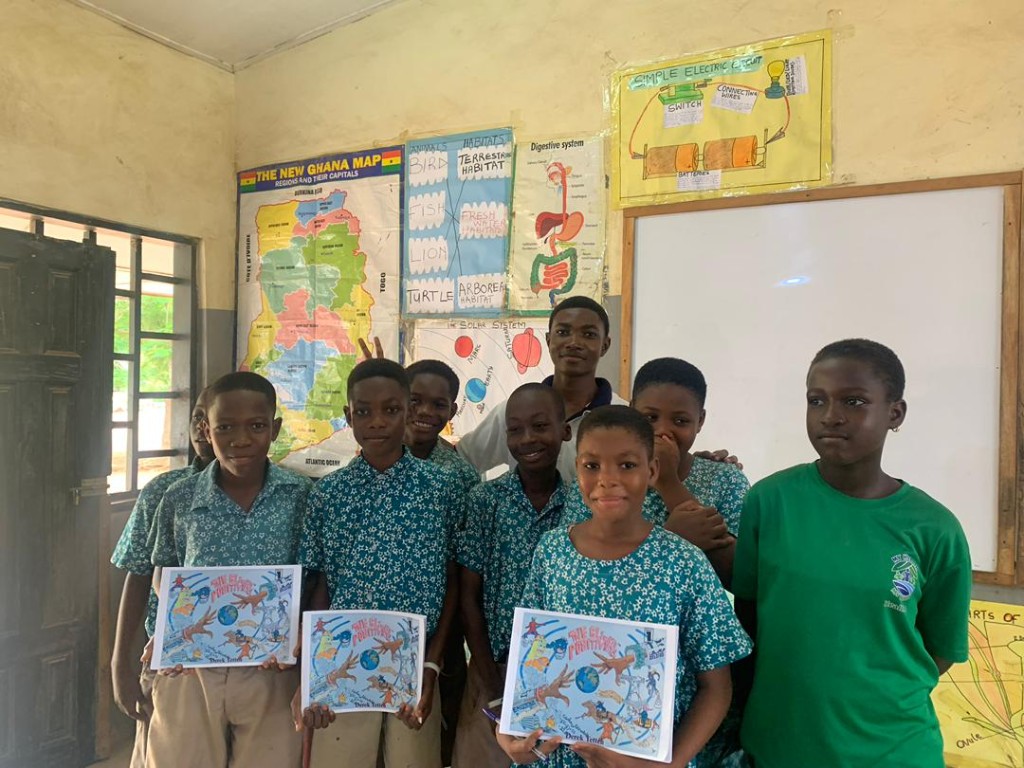
The Climate Positivists
The project transforms climate science into exciting and accessible stories for children. Through books, stories and illustrations, the project makes climate concepts easier to understand while encouraging younger people to act to protect the environment. By disseminating these stories in several languages and on social networks, the initiative expands access to climate education beyond the classroom and helps to make this knowledge accessible to communities around the world.
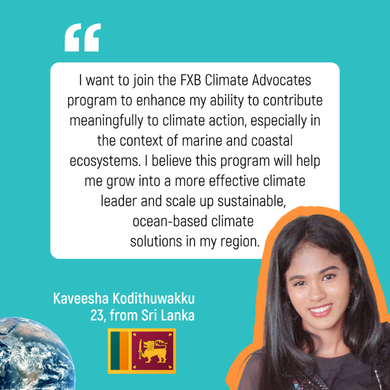
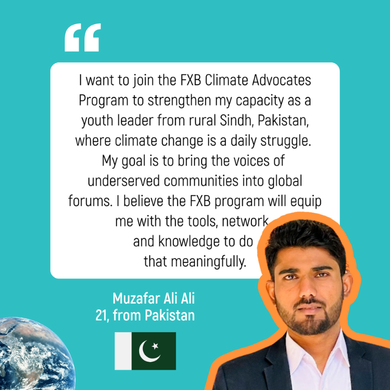
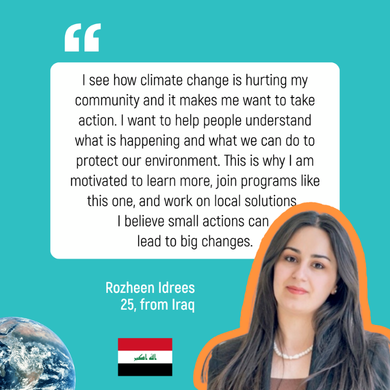
Enrolment in the next FXBCA cohort will open soon.
Follow us on social networks to be among the first information on the opening of applications and future sessions of the programme.
Fall Cohort in progress:
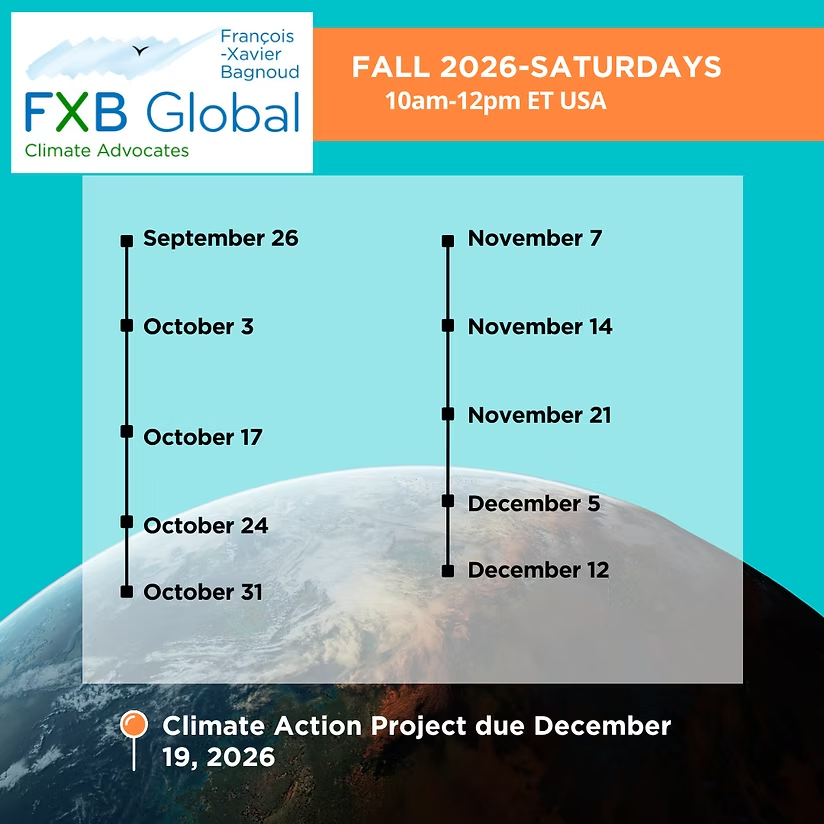
Please note that the FXB Climate Advocates program is an educational capacity building program. Its objective is to give young people engaged in climate change the knowledge and skills needed to implement climate change solutions. The program does not provide funding for participants' climate initiatives.
Do you want to support us?
Telephone +1 347 653 8176
Email usa@fxb.org