
Context
Located in Central Africa, the Democratic Republic of Congo (DRC), yet rich in natural resources (including minerals and forestry), remains one of the poorest countries in the world. It occupies one of the last ranks of the Human Development Index of UNDP (United Nations Development Programme) (IDH - 179th out of 189 countries assessed).
The province of North Kivu and its capital Goma were made sadly famous by the rebel groups that were spreading terror in the region, forcing thousands of families to take the road to exile. For all the internally displaced persons, Goma, located on the Rwandan border, was the default destination because of MONUC's security presence. Between 2011 and 2012, Goma's population increased from 400,000 to over 1.1 million.
Our action in the DRC
Children on the front line: this massive influx of refugees has further increased the poverty already suffered by the various populations of the city. Poverty is a daily reality for the majority of people, 60% of whom are children. The living conditions of North Kivu are even more unbearable because of poverty, lack of education and anarchy.
Addressing the multidimensional causes of poverty: 3 community and economic development projects VillageFXB
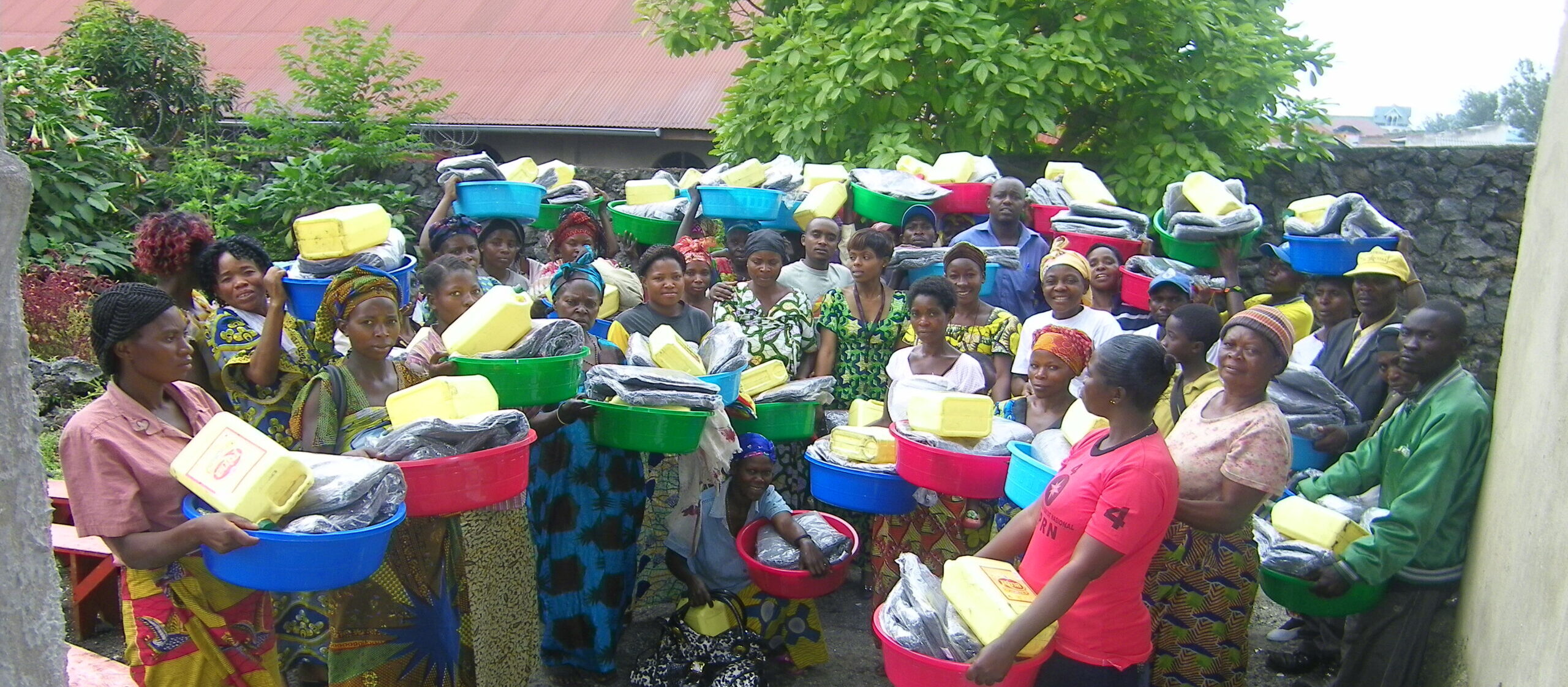
From 2012 to 2014, three VillageFXB economic and community development programmes were carried out in the Keshero, Bukama and Ndosho neighbourhoods in Goma, enabling nearly 2,000 adults and children to emerge from extreme poverty by acquiring the skills necessary to combat the hazards of life. Over 6,000 people benefited from the presence of FXB in their communities through various capacity-building trainings.
Malnutrition, conflict, disease, unsafe housing... Goma's poorest people face a variety of complex challenges. Not to mention that the issue of income would be a mistake! Partial aid, which only targets a cause of poverty, is not enough to overcome it.
Thus, our VillageFXB poverty reduction model, initiated in 1991, enabled us to provide a comprehensive response to the root causes of poverty by simultaneously addressing its predominant factors. Combating poverty in the region also involved combating gender-related discrimination and balancing relations between men and women so that women, who were more exposed to poverty, could access the same economic and social opportunities.
Our work in the DRC would not have been possible without the support of our partners: the Chain of Happiness, the Augusta Foundation, the Marc Foundation, the King Baudoin Foundation and Swim for Life.
Our impact in DRC
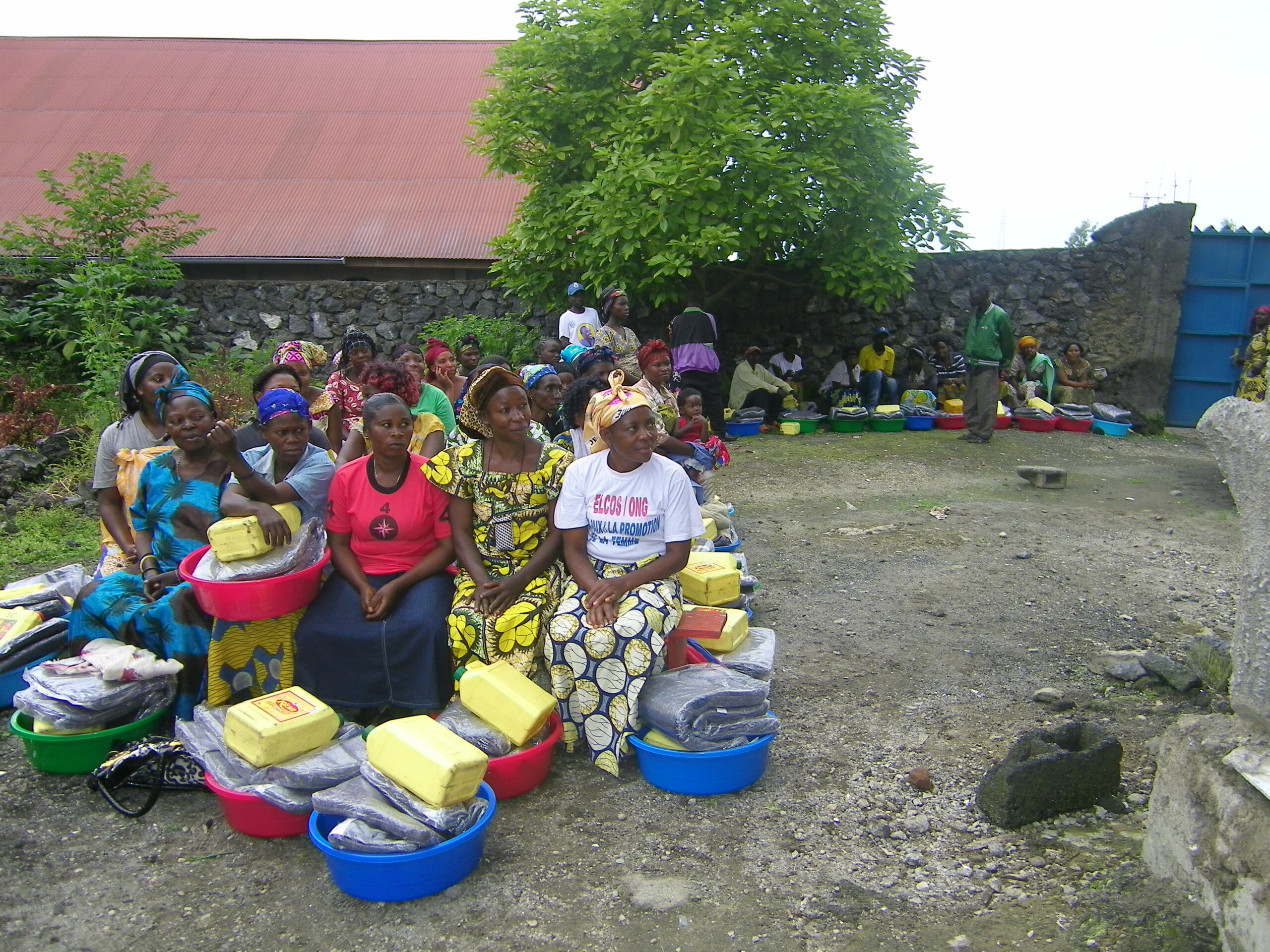
have been able to overcome extreme poverty by acquiring the necessary skills to combat the hazards of life.
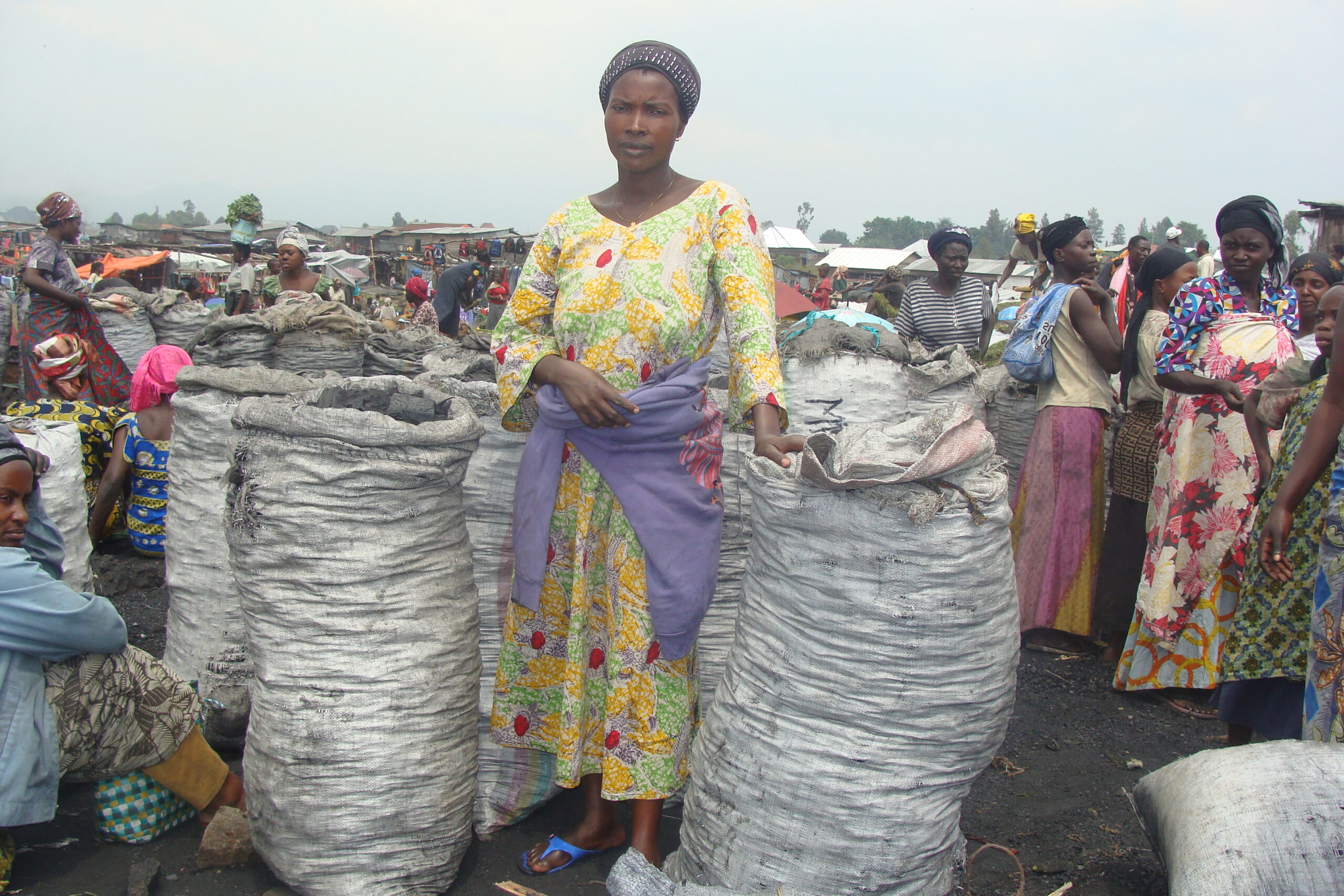
managed to develop an RMA during the three years of support. 80% of the income-generating activities (AGR) developed by women

have benefited from the presence of FXB in their communities through various capacity-building trainings