
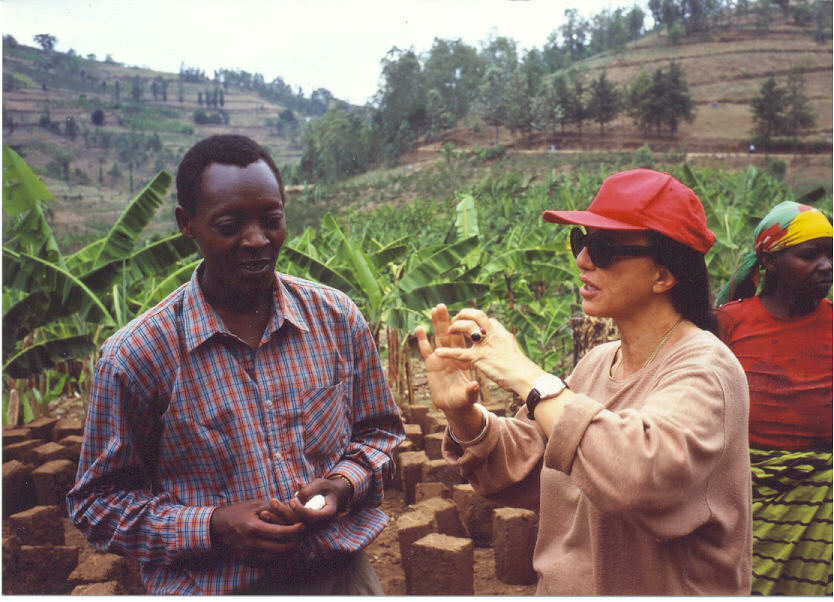
By Albina du Boisrouvray
To understand the revolution that the FXB method was, we must return to its origins. It all started in 1991, when I decided to export to Africa the program I had already built in the United States: The FXB House. It offered much more than medical care for AIDS orphans, who were themselves infected. It is based on the concept of Tender Loving Care – the belief that these children will have a better and longer life if they grow up in a family setting, surrounded by tenderness and cared for.
In Washington, then in Thailand, Colombia and Brazil, we created « Houses FXB » where AIDS-infected orphans were surrounded by a team of care professionals who acted as their new family. This program was the implementation of the paradigm of the inextricability of the links between access to basic rights and Dr. Jonathan Mann's health. With FXB, I had the ambition to replicate this program in Uganda.
But when we arrived there, we discovered a very different reality: unlike the United States, orphans were multiple cohorts, often cared for, according to African custom, by the extended family or the community. And these people lived in a context of extreme poverty and disease, compounded by AIDS, which often prevented working and without access to basic rights.
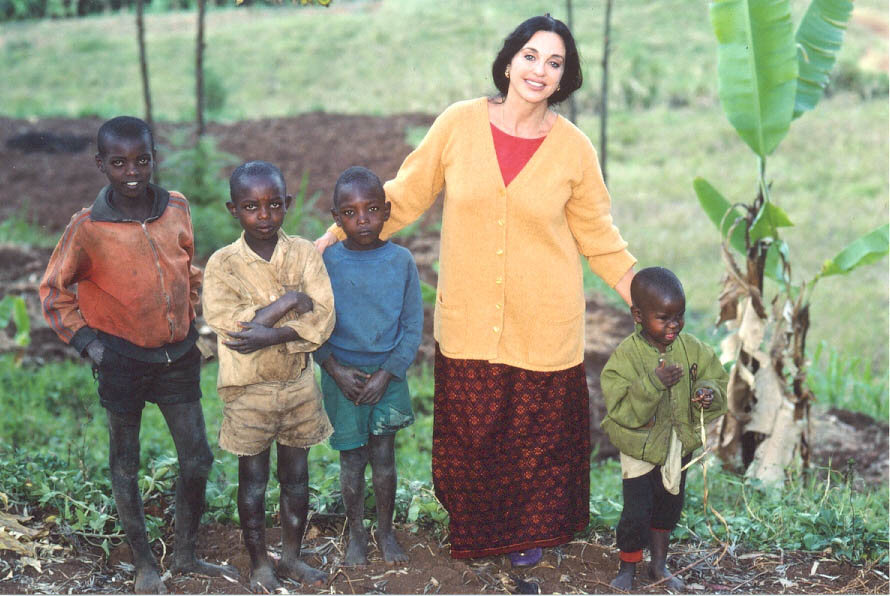
There was evidence that I quickly felt that to help children effectively, there was an urgent need to help parents and relatives.
In discussing with families, I decided to create a new program that would be closer to their needs and realities. It seemed obvious that it was urgent to get them out of this extreme poverty and that they become economically self-sufficient as soon as possible and thus become actors in the local economy.
To do this, it was necessary to innovate, to push the established models and to show creativity because, at the time, the great innovation and the inescapable obligation in the development community was the idea of the micro-credit of Professor Mohammed Yunus — He also won the Nobel Peace Prize.
The aim was to lend families money so that they could offer themselves a work tool and start a business activity to get out of poverty. The families gradually repaid the loan and its interests with the fruit of their labor.
I deeply admire this innovation, but it could not apply in our case because the AIDS context made the situation extremely urgent: people affected by both AIDS and extreme poverty would never be able to repay a loan.
Moreover, we did not want to transform ourselves into a « bank ». We wanted families to save time in their economic success, so we invented a new method.
And from this transgression came a revolution: instead of a loan, we offered each family the necessary elements to start their business, without repayment of capital or interest.
In addition to this original economic gift, we surrounded this program of the public health paradigm of Dr. Jonathan Mann, professor at Harvard.
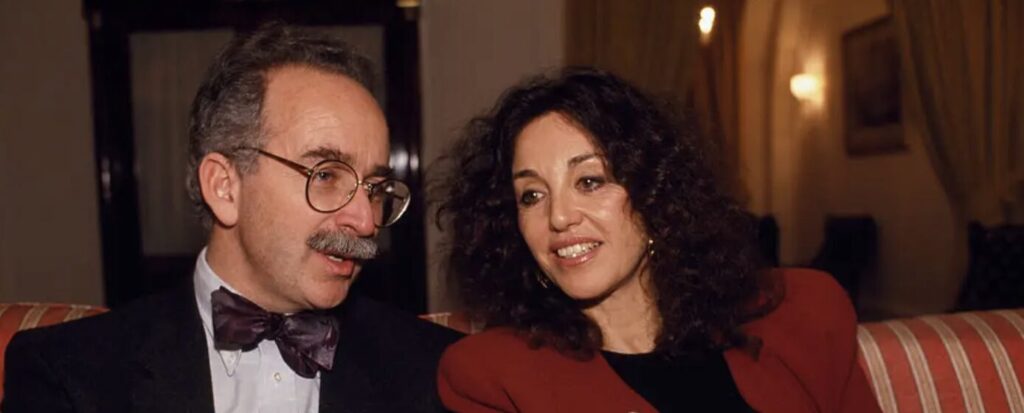
Jonathan Mann's approach to linking health to access to basic human rights was clear and visionary: public health can only have a lasting impact if social and cultural factors — that increase the risk of illness and prevent people from accessing their basic rights — are treated simultaneously: healthy housing, food, access to hygiene and health, and education.
By adding to these essential rights the economic aspect of the donation of an income-generating activity, FXB has therefore transformed this paradigm of public health into a paradigm of development.
And so it was in Uganda, from 1990/1991 onwards, that we started the pilot project of the VillageFXB model, which was used as a laboratory for this method, which we then imported into Rwanda after the genocide and systematized into a methodology that we applied family by family.
The method is both simple and pioneering: in the first year, FXB simultaneously offers each family a business and access to all other essential rights.
FXB therefore covers 100% of the expenditure related to nutrition, education and health in the first year of implementation of the programme. This total support for these expenses frees families from financial worries and the struggle for daily survival. With their basic needs assured, they can embark on projects with the energy needed to improve their autonomy. As a woman in the DRC said to me so well: "Now I sleep on both my ears, I know FXB is here."
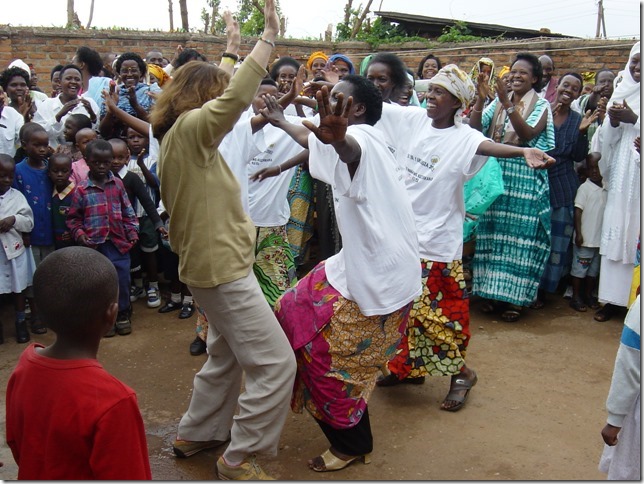
In the second year, FXB offers more than 75% of these expenses from the family budget, and in the third year only 50%. Initially, this approach allowed families to achieve economic autonomy in the fourth year. Today, thanks to the evolution of the VillageFXB model, they become economically self-sufficient after three years and can themselves support children by participating in the local economy and continuing to thrive after the end of the project.
Studies have shown an exceptional percentage of success: 86% of the beneficiaries of these FXB villages have emerged from extreme poverty and remain so 4 years after the project was completed.
In the book « The Cost of inaction » (The cost of inaction), Professor Sudhir Anand also demonstrated similar success figures by studying our VillageFXB in Rwanda.
Amartya Sen, Harvard Professor and Nobel Prize in Economics, recognized effectiveness of our work.
Researchers from the Joint Research Initiative on Children and HIV/AIDS (JLICA) also welcomed our approach in their reports :
« FXB Villages show that by strengthening the family's capacity to support itself through integrated support, there is a lasting improvement in the well-being of children »
In 2003, after more than ten years of applying this method, I was congratulated by Professor Mohammed Yunus, the father of micro-credit. I still remember his blessing, that day at the Davos World Economic Forum, when he tapped his arm to tell me: « Keep doing what you do! ».
In 2003 I always reported on our approach and successes in the The International New York Times :
« Before launching a program in Uganda in 1990, I spent a lot of time in villages asking people what was the best way to help them. They said: « If Pauline had a cow, she could put milk on the table and sell the surplus. » « If Nite had seeds, she could plant vegetables and the kids would eat better. » « If Margaret had a little shop, she would welcome another orphan. » This approach has borne fruit. Small grants, even $100 to the families concerned, enable them to address these problems immediately. »
It was in the 2000s that our method was taken over by major institutions such as the World Bank and important organizations such as the Ford Foundation or Brac World. It is regrettable that sometimes some forget the origins of this revolution and try to grant credit for the transgressive invention, but we are very proud and very happy for the many beneficiaries.
Because it is the symbol that FXB has fulfilled its role as a small, innovative and pioneering NGO: inventing exemplary local programs that were then taken over by other organizations around the world.