
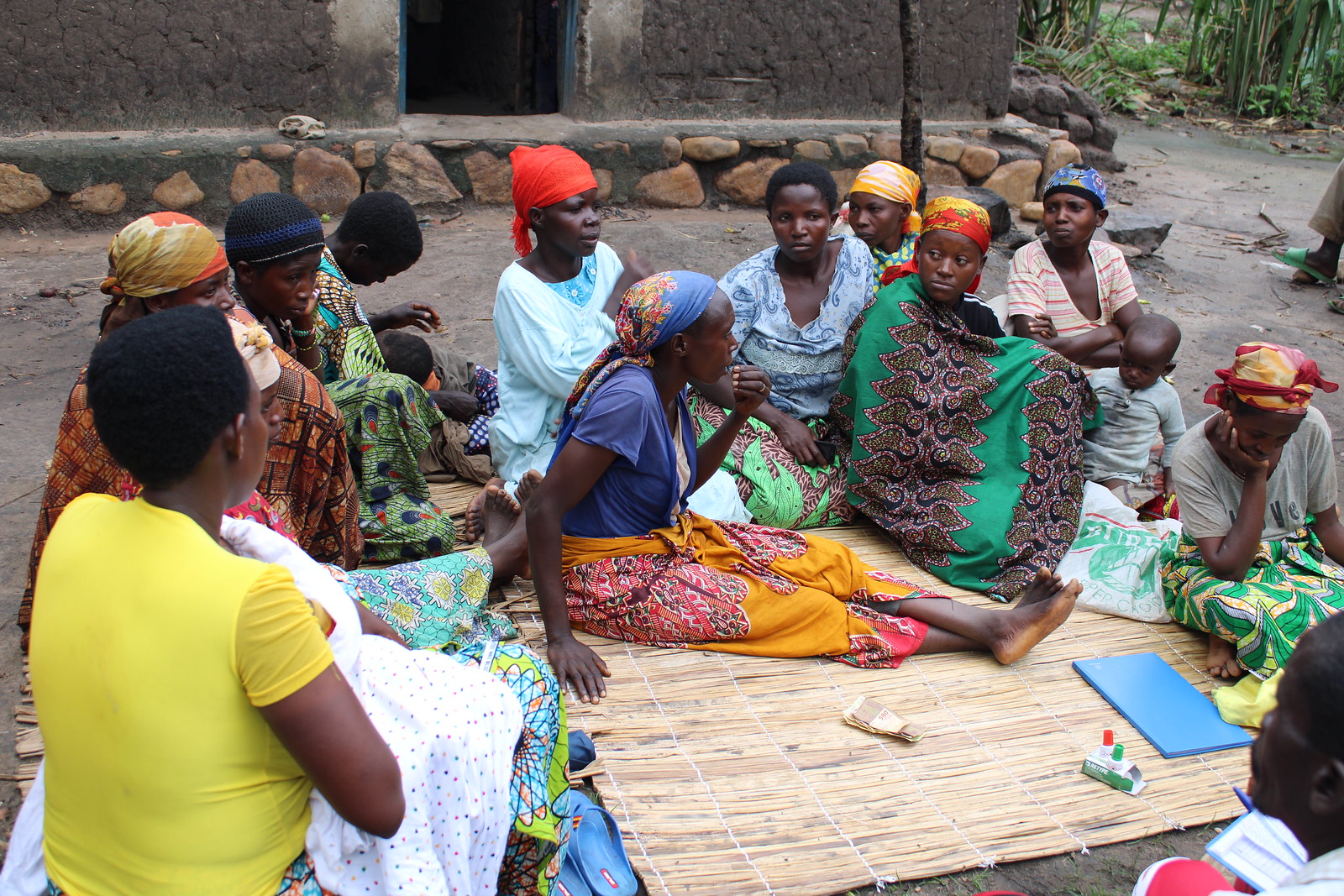
Our programs promote access to fundamental rights and strengthen the capacity of communities to develop.
These programs are based on two pillars: 1. Combating the plural causes of poverty with VillageFXB economic and community development programmes; 2. Access to food security, health care, water, sanitation and hygiene are essential pillars for a dignified life.
1. VillageFXB Economic and Community Development Programs
Context
While more than 700 million people live on less than $1.90 a day, the VOCID-19 pandemic could bring about an additional 100 million people into extreme poverty.
Finding
Poverty is multidimensional. It is not limited to insufficient income and resources for sustainable livelihoods.
Poor people face a variety of complex challenges, such as malnutrition, lack of drinking water, limited access to education and information, disease, poor housing and the environment, discrimination and social exclusion, and adverse climatic conditions.
What is the point of building a clinic if, back home, patients do not have drinking water? What is the point of building a school if, at home, children do not have enough food? How to devote oneself to studies or economic activity empty stomach? What is the point of giving communities the opportunity to grow a field if they are not also given the means to preserve their harvest, store it and move it to the market to sell it and draw the resources they need? How can we encourage them to make savings or use microcredit if they are not also helped to manage them?
Poverty, hunger, disease, insalubriity, stigma and illiteracy are a vicious circle that is very difficult to break. FXB DNA is based on this finding.
Our objective
Making lasting changes in the countries where we intervene to eradicate extreme poverty. FXB provides families with the tools to become economically and socially independent. Our success is based on the innovative model of our VillageFXB economic and community development programs initiated in 1991.
FXB in action
Since 1991, FXB has implemented nearly 200 VillageFXB economic and community development programmes in 12 countries – Burundi, China, Colombia, Democratic Republic of the Congo, India, Mongolia, Myanmar, Namibia, Panama, Rwanda, Thailand and Uganda – enabling 105,000 children and adults to emerge from extreme poverty.
With our proven, comprehensive and integrated approach, participants can protect and raise their children, have a positive impact on their community and lead a dignified life in their country.
2. Access to food security, health care, water, sanitation and hygiene
Context
One in nine people in the world is undernourished and food insecurity also causes growth delays in millions of children. 3 out of 10 people do not have access to safe drinking water services and 6 out of 10 do not have access to improved sanitation facilities. At least 892 million people continue to practice open defecation.
Over five million children die before their fifth birthday each year and many regions face serious health risks, including high maternal and neonatal mortality rates, the spread of infectious and non-communicable diseases and poor reproductive health. 38 million people are also living with HIV/AIDS worldwide.
The crisis of the VOCID-19 increases extreme poverty in the most fragile countries and risks destroying decades of development effort.
FXB in action
Whether through our VillageFXB programs or our dedicated programs, our goal is to reduce inequalities and promote access to these fundamental human rights such as food security, health, access to water, sanitation and hygiene. These actions also strengthen the capacity to develop the communities in which we operate.
« WE CAN'T COME TO ONE OF THE INFECTIOUS DISEASES THAT AFFILIEGATE DEVELOPING COUNTRIES AS WE DON'T GUAG THE BATALE FOR POTABLE WATER, HEALTH AND BASIC HEALTH CARE ». KOFI ANNAN
Our current programs
The cultivation of vegetable gardens for self-consumption, the strengthening of livelihoods, access to adequate health care or the improvement of infrastructure are part of our work. To ensure a sustainable impact, the aim is also to implement food and health education, prevention of HIV/AIDS and other diseases, and promotion of comprehensive hygiene to induce behavioural change and the adoption of good practices.